

A balcony, windowsill, rooftop corner, or tiny courtyard can become a pocket-sized harvest zone when treated with curiosity rather than perfectionism. For beginners, urban gardening is less about owning a large plot and more about reading the small signals of a city space: where sunlight lands in the morning, where wind dries the leaves too quickly, and which containers can hold enough life beneath the surface. Fresh basil beside a kitchen window, cherry tomatoes climbing a railing, or strawberries spilling from a hanging planter can turn everyday meals into something brighter and more personal.
The most successful first garden usually starts modestly. A fictional beginner named Maya, living on the fourth floor of a busy apartment building, begins with three pots, one sunny ledge, and a small bag of compost-rich soil. Within weeks, the routine becomes part of the day: checking leaves before coffee, moving a pot away from harsh afternoon heat, noticing the first green pepper forming like a small promise. These beginner tips are designed for that kind of realistic start, where fresh produce grows not from perfect conditions, but from steady attention, smart choices, and a willingness to learn season by season.


Urban Garden Tips for Beginners: Choosing the Right Space, Containers, and Light
The first decision in urban gardening is not what to plant, but where plants will have the best chance to live well. A small balcony that receives six hours of direct sun can grow tomatoes, peppers, cucumbers, and strawberries, while a bright windowsill with three to four hours may be better suited to parsley, mint, lettuce, or microgreens. The useful habit is simple: observe the space for a full day before buying seeds or seedlings, because city light changes quickly as neighboring buildings, balcony railings, and awnings cast moving shadows.
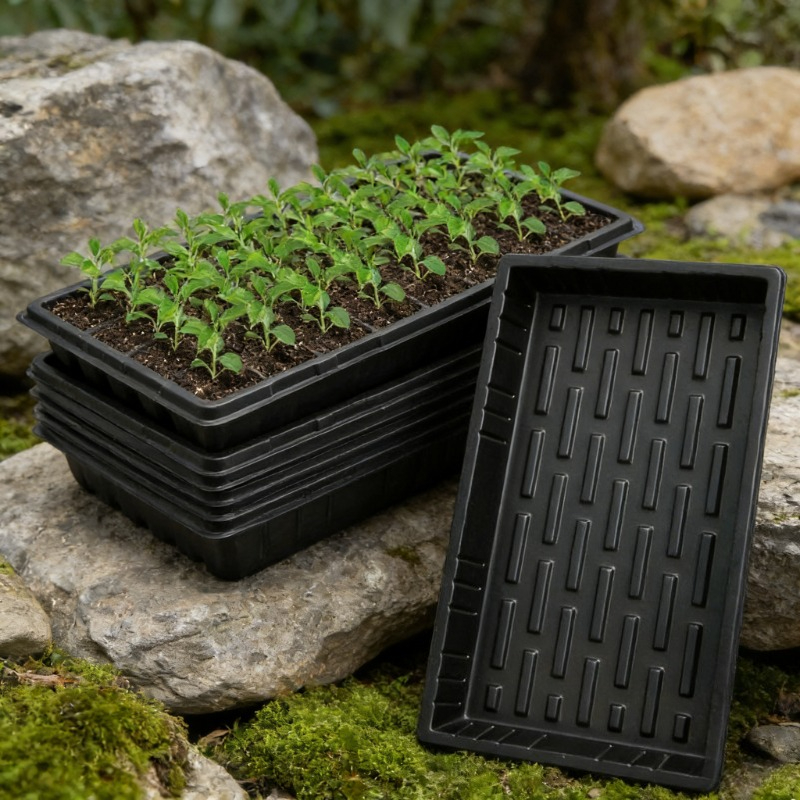
For beginners, container gardening is the most flexible method because pots can be moved, replaced, lifted, or grouped according to the season. A deep pot suits tomatoes because roots need room to anchor and search for moisture, while shallow planters work well for lettuce and herbs. Drainage holes are essential, not optional; without them, water gathers at the bottom and turns healthy roots into a soggy, airless mess.
Best Container Gardening Setup for Small Urban Spaces
Terracotta pots look beautiful and breathe well, but they dry faster in summer wind. Plastic or fabric grow bags hold moisture longer and are lighter for balconies where weight matters. Wooden boxes can be charming and productive, especially for salad greens, but they should be lined carefully and kept slightly raised so air moves underneath.
Maya’s first mistake is a familiar one: placing rosemary, basil, and a tomato plant in the same narrow planter because the arrangement looks pretty. The tomato soon dominates the space, drinking heavily and casting shade, while the rosemary sulks in damp soil. Separating plants by root depth and water needs prevents this quiet competition and gives every crop a fair seat at the table.
Soil Preparation for Healthy Fresh Produce in the City
Good soil preparation is the invisible engine of a productive urban garden. Garden soil dug from the ground is often too heavy for pots, so beginners should choose a light potting mix blended with compost, coconut coir, or similar moisture-holding material. The goal is soil that feels soft and crumbly, holding water without becoming dense like clay.
Compost gives containers a slow, steady source of nutrients, almost like a pantry beneath the plant. Apartment dwellers can use a sealed bokashi bucket, a compact worm bin, or store-bought compost if indoor composting is not practical. When the soil is alive and well balanced, plants resist stress better, grow stronger stems, and produce leaves, flowers, and fruits with greater consistency.
The space does not need to be large; it needs to be understood. A beginner who matches light, container size, drainage, and soil quality has already built the foundation for a harvest that feels surprisingly generous.
Once the growing corner is chosen, the next question becomes deliciously practical: which plants will reward a beginner quickly without overwhelming the space?
Crop Selection for Urban Gardens: Easy Plants That Thrive in Pots
Smart crop selection can turn a hesitant first season into a confident one. Beginners often dream of melons, corn, or sprawling pumpkins, but compact crops usually deliver faster success in tight city conditions. Herbs, salad greens, radishes, dwarf tomatoes, bush beans, peppers, strawberries, and compact cucumbers are friendly choices because they adapt well to containers and offer visible progress.
Fast-growing crops build motivation. Radishes can be ready in about a month, loose-leaf lettuce can be harvested leaf by leaf, and basil rewards regular picking with bushier growth. This matters because early success teaches observation: pale leaves may signal hunger, drooping stems may mean thirsty roots, and leggy growth often points to weak light.
Beginner Tips for Choosing Fresh Produce in Small Spaces
A useful rule is to grow what is eaten often and what tastes noticeably better fresh. Cherry tomatoes warm from the vine, mint clipped for tea, and tender lettuce cut minutes before dinner create immediate satisfaction. Expensive store-bought herbs are especially good candidates, since a single healthy basil or parsley plant can replace many small plastic packets from the supermarket.
Compact varieties deserve attention on seed packets and plant labels. Words such as “dwarf,” “patio,” “bush,” or “compact” usually mean the plant has been bred for smaller spaces. For example, a patio tomato in a five-gallon container is far more manageable on a balcony than a full-sized indeterminate tomato that tries to conquer the railing like a green ladder.
Timing also shapes success. Cool-season crops such as lettuce, spinach, cilantro, and peas prefer gentle temperatures, while basil, peppers, tomatoes, and eggplants enjoy warmth. Planting each crop in its preferred season reduces stress and makes the beginner’s job easier, because healthy plants naturally fight harder against problems.
Space can be stretched with imagination. Vertical supports allow cucumbers, peas, and pole beans to climb instead of sprawl, freeing floor area for herbs or greens below. A railing planter can hold strawberries, a wall pocket can carry thyme, and a simple trellis can turn a blank brick wall into a productive green curtain.
Companion Planting Ideas for Productive Container Gardens
Companion planting is the practice of placing compatible plants near one another so they support growth, attract helpful insects, or use space efficiently. Basil near tomatoes is a classic pairing because both enjoy warmth and frequent watering, while marigolds near vegetables can help draw attention away from more delicate crops. Lettuce can grow at the base of taller plants where partial shade keeps leaves tender during warmer days.
Not every pairing works. Mint is useful but aggressive, so it should usually live in its own pot rather than sharing space with gentle neighbors. Fennel can interfere with nearby crops and is best grown separately, while plants with very different water needs, such as rosemary and lettuce, often struggle when forced into the same container.
Maya’s second season shows the power of pairing wisely: a tall pepper plant shares a wide container with low basil, while a separate trough holds lettuce and chives. The arrangement looks abundant, but it is also practical; each plant occupies a different layer of space. The best urban gardens behave like tiny neighborhoods, where good neighbors make limited room feel larger.
After the right plants are chosen, the daily rhythm of care becomes the quiet craft that keeps the garden productive.
Watering Techniques, Organic Fertilizers, and Pest Control for Urban Garden Success
Daily care is where beginners become gardeners. The plants do not need dramatic intervention; they need consistent attention, especially in containers where soil dries faster than garden beds. Good watering techniques begin with a fingertip test: if the top inch of soil feels dry, water deeply until moisture runs from the drainage holes, then wait until the surface begins to dry again.
Shallow watering is one of the most common beginner mistakes. A quick splash may wet the surface while leaving deeper roots thirsty, encouraging weak growth and stressed plants. Deep watering teaches roots to move downward, which helps containers stay resilient during hot afternoons or windy balcony conditions.
Natural Feeding with Organic Fertilizers for Fresh Produce
Plants in pots depend on the gardener for food because nutrients wash out gradually with watering. Organic fertilizers such as compost, worm castings, seaweed extract, or diluted compost tea provide a gentle nutrient boost without forcing sudden, fragile growth. Leafy crops often appreciate nitrogen-rich feeding, while fruiting plants such as tomatoes and peppers need balanced nutrition once flowers appear.
Too much fertilizer can be as harmful as too little. A tomato plant fed heavily with nitrogen may grow lush leaves but produce fewer fruits, which feels like a green trick. Feeding lightly and regularly, according to the plant’s stage, creates steadier growth and fewer surprises.
Composting in the city does not have to smell or take over the apartment. A small worm bin under a sink, a bokashi system on a balcony, or a neighborhood compost drop-off can all return food scraps to the growing cycle. This practice reduces waste while improving soil texture, which connects the kitchen, the garden, and the plate in one satisfying loop.
Light management is another form of care. A pot that thrived in spring may overheat in midsummer, especially near concrete, metal railings, or reflective windows. Moving containers a few inches, adding a light shade cloth during the harshest hours, or rotating pots weekly can prevent uneven growth and scorched leaves.
Pest Control and Common Beginner Mistakes to Avoid
Pest control in a beginner urban garden should start with observation, not panic. Aphids, fungus gnats, whiteflies, and caterpillars may appear, but a strong plant in healthy soil is already better prepared to cope. Checking the undersides of leaves twice a week catches problems early, before a few insects become a crowded banquet.
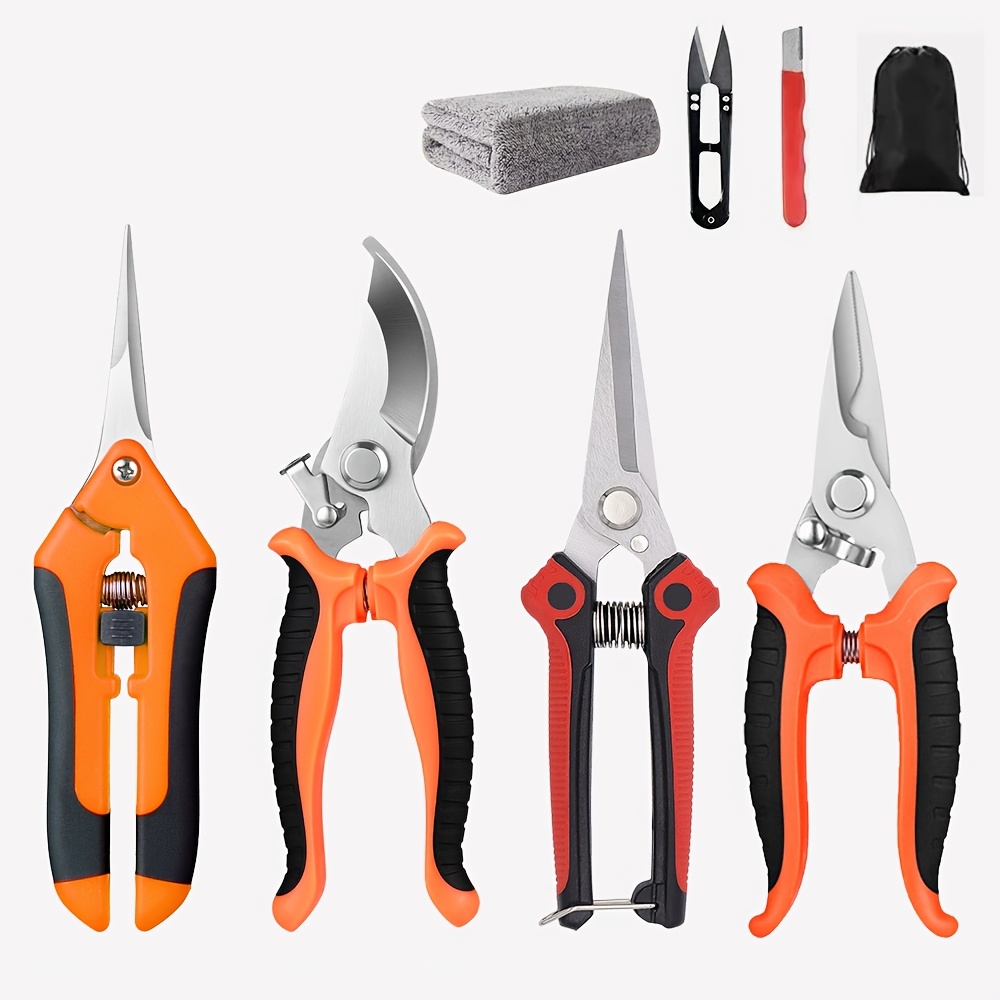
Simple responses often work well. Aphids can be removed with a firm spray of water, yellow sticky traps help monitor flying pests, and damaged leaves can be clipped before problems spread. Encouraging biodiversity with flowers such as calendula, nasturtium, or marigold can attract beneficial insects, making the garden feel less like a battlefield and more like a balanced miniature ecosystem.
Several beginner mistakes appear again and again: choosing pots that are too small, planting too many crops together, watering on a rigid schedule instead of checking soil, ignoring sunlight, and expecting instant abundance. Patience matters because every season teaches something different. A failed cilantro crop in summer may simply reveal that cilantro prefers cooler weather, not that the gardener lacks skill.
The rewards extend beyond the harvest bowl. Growing fresh produce at home can reduce grocery costs, cut down on packaging, lower the distance food travels, and bring a rare sense of calm into crowded urban life. A balcony tomato may not feed an entire family for a week, but it can change the way dinner feels, proving that regular care in a small space can produce flavor, confidence, and a greener daily routine.


