

Concrete, balconies, narrow ledges, shared rooftops, windy corners, and overlooked walls can all become part of a living design when approached with imagination. The most powerful garden secrets for city dwellers are rarely expensive or complicated. They begin with observation: where the light falls, where water drains, where people naturally pause, and where a single pot could soften a hard edge.
A successful city garden is not a smaller version of a countryside plot. It has its own rhythm, shaped by shade from buildings, heat reflected by pavement, limited soil, and the need for smart movement. With the right mix of vertical planting, resilient species, practical watering, and calming design, urban gardening becomes a form of everyday renewal. Even a windowsill can carry scent, color, food, and a sense of escape when every inch is used with purpose.

Small Space Gardening Secrets That Make Every Inch Work Harder
The first rule of small space gardening is simple: the floor is not the only growing surface. Walls, railings, ceilings, steps, window frames, and even movable furniture can become part of the planting plan. A balcony that feels too narrow for a garden may still hold a vertical herb wall, a railing planter filled with strawberries, and a folding bench with storage underneath.
Before buying plants, the space deserves a quiet survey. Light should be watched at different times of day, because a corner that looks bright at noon may sit in shade by mid-afternoon. Most vegetables and flowering plants need several hours of direct sun, while ferns, hostas, mint, parsley, and some leafy greens can handle partial shade. This simple habit prevents disappointment and turns guesswork into confident urban horticulture.
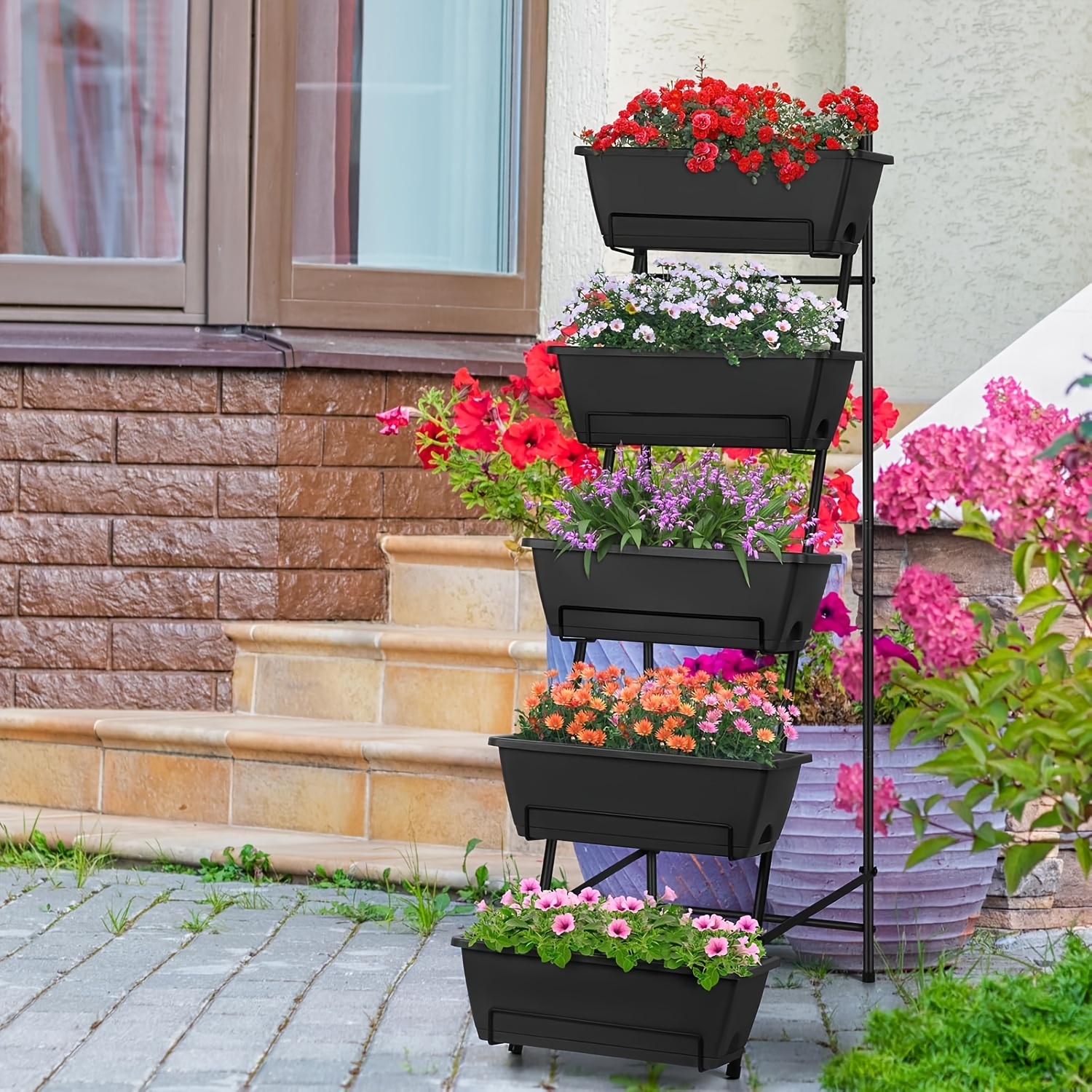
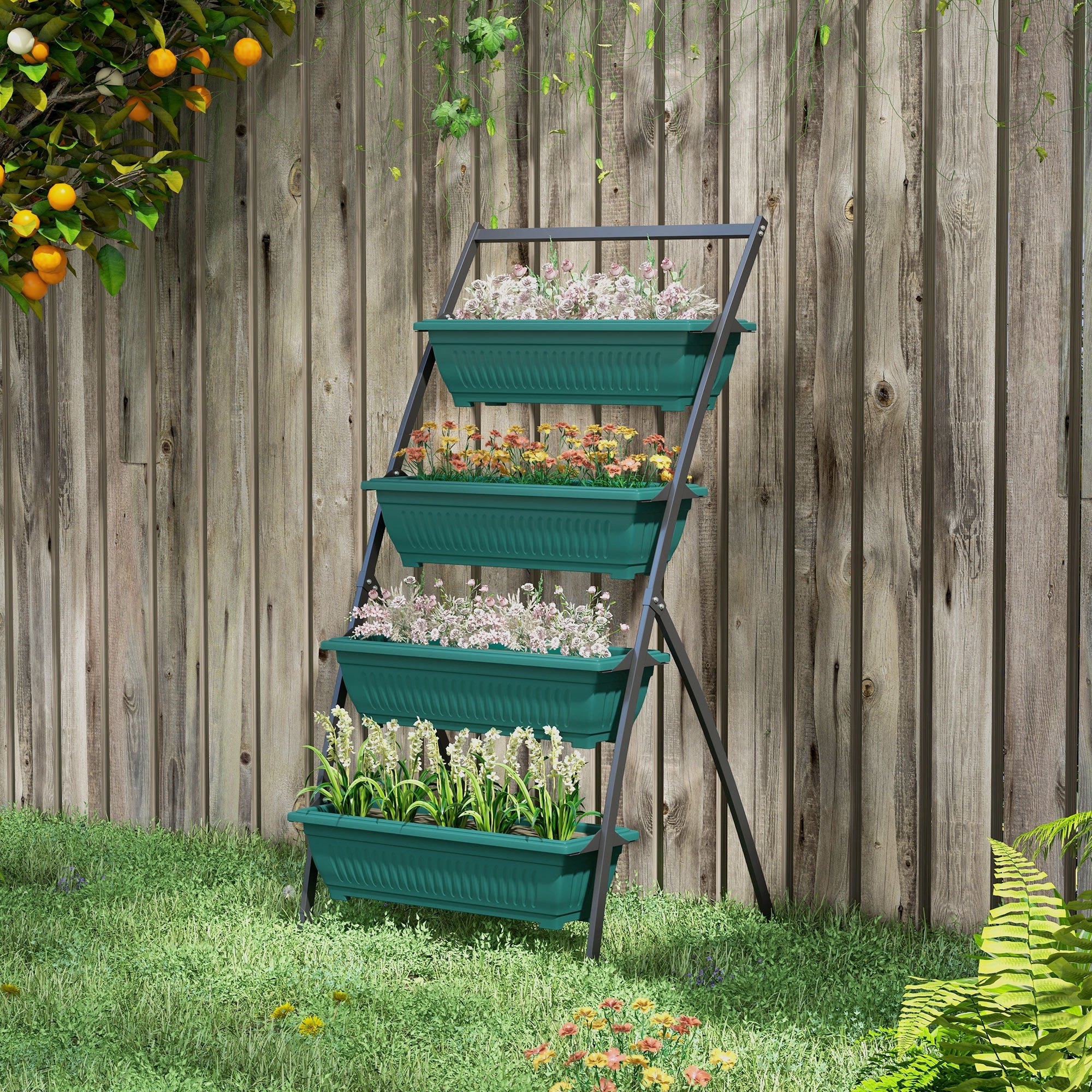
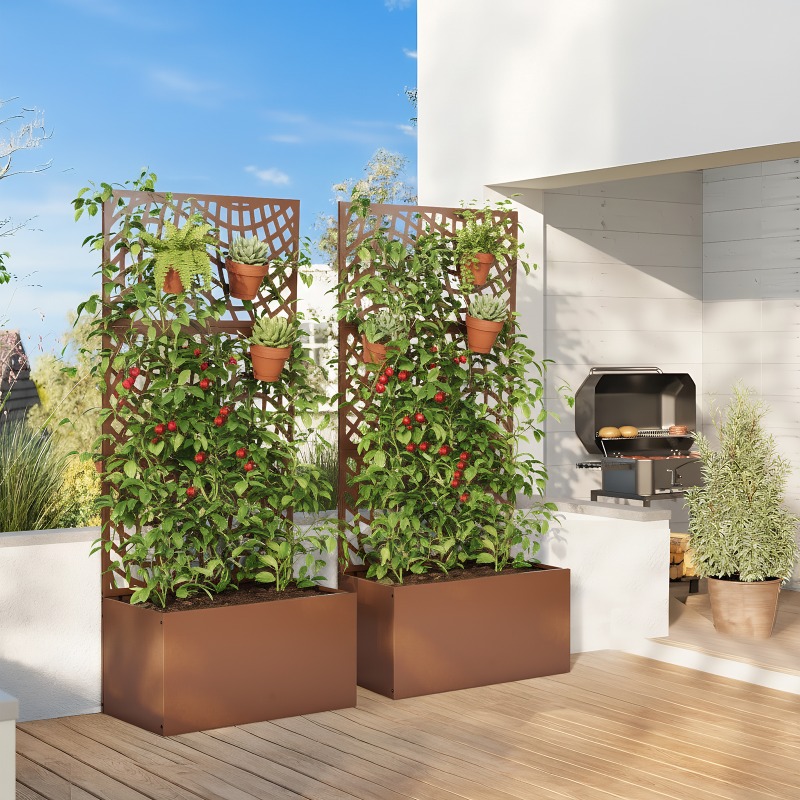
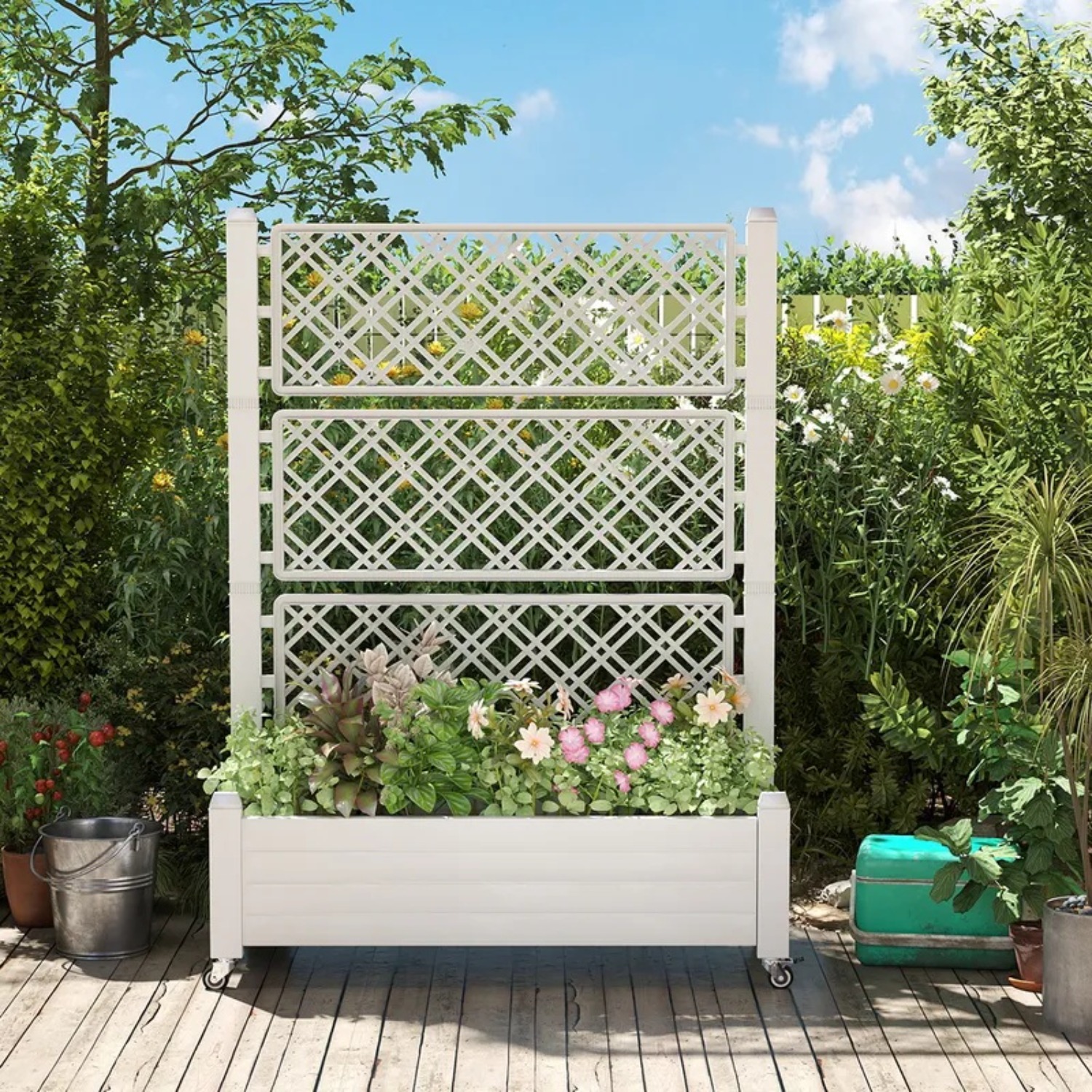
Vertical Gardens, Hanging Pots, and Moveable Beds for City Space Transformation
Vertical planting is one of the most reliable tools for space transformation. A wooden pallet, metal grid, trellis, or wall-mounted planter can hold basil, thyme, oregano, trailing nasturtiums, compact lettuce, or drought-loving succulents. The effect is immediate: a blank surface becomes a living tapestry, while the walking area remains free for a chair, table, or watering can.
Moveable raised beds also solve a classic urban problem: sunlight changes through the year. A planter on sturdy wheels can be shifted toward morning sun in spring, tucked away during a gathering, or protected from strong wind near a wall. For renters, this flexibility matters. It allows a garden to grow without permanent construction or conflict with building rules.
Consider the example of a resident with a three-square-meter balcony facing a busy avenue. Instead of placing large pots randomly, the strongest arrangement would be layered: herbs near the kitchen door, a tall trellis on the most exposed side for climbing beans or jasmine, hanging baskets above eye level, and a slim bench that doubles as tool storage. The result feels generous because the design follows height, movement, and daily use.
Containers should always match the roots they hold. Herbs often thrive in medium-depth pots, while tomatoes, peppers, and dwarf fruit shrubs need deeper containers and reliable drainage. A pot without drainage may look elegant for a week and become a swamp soon after. The secret is not owning more items; it is choosing pieces that help plants breathe, drain, and receive light.
A compact garden becomes beautiful when it behaves like a room: clear paths, useful corners, soft edges, and a focal point that invites attention. Once the layout works, the next layer is choosing plants that can handle the city’s tougher moods.
Urban Garden Plant Choices That Thrive in Heat, Shade, Wind, and Pollution
Plant selection can decide whether a city garden feels effortless or exhausting. Urban spaces often bring reflected heat, gusty balconies, dry container soil, polluted air, and irregular shade from neighboring buildings. The best approach is not to force fragile plants into harsh conditions, but to choose varieties that naturally fit the microclimate.
For hot, sunny balconies, lavender, rosemary, thyme, sedum, ornamental grasses, cherry tomatoes, peppers, and compact eggplants can perform well when watered consistently. Their forms are useful too: rosemary adds structure, thyme spills over edges, and lavender brings fragrance that softens the mineral feel of concrete. In shadier corners, ferns, chives, mint, parsley, leafy greens, and certain begonias can create richness without demanding full sun.
Edible Beauty and Resilient Plant Care for a Green City Lifestyle
The strongest urban planting schemes often mix edible and ornamental species. A railing box with chives, marigolds, and salad greens looks lively while supporting easy meals. A hanging basket of strawberries can provide fruit and movement. A wall pocket filled with basil and purple shiso becomes both kitchen resource and visual accent.
This blend is practical because home gardening in the city should reward daily attention. When herbs are within arm’s reach, they are harvested more often, which encourages fresh growth. When flowers sit near vegetables, they attract pollinators and make the space feel less like a utility zone. Even one pot of basil beside a kitchen window can change the way a meal begins.
Good plant care also means respecting mature size. Crowded containers look lush at first, then struggle as roots compete and airflow disappears. A small tomato plant may seem lonely in a large pot during its first week, yet that extra space allows stronger roots, better moisture balance, and healthier fruit. Patience often produces the most abundant display.
Pollinator-friendly choices deserve a place in any urban plan. Marigolds, nasturtiums, zinnias, lavender, and native flowering plants can turn a balcony or rooftop into a small feeding station for bees and butterflies. In dense neighborhoods, these pocket habitats connect with street trees, courtyard planters, and community plots to support a more green city.
One inspiring case is a narrow windowsill garden built around scent rather than size. Small pots of thyme, basil, chives, and dwarf calendula can create a fragrant strip that lifts the mood every time the window opens. The harvest may be modest, but the sensory effect is powerful. Plant choices are not only about survival; they shape how a place feels, sounds, smells, and invites return.
After the right plants settle in, the garden needs a rhythm of water, soil, and renewal that fits city life rather than complicating it.
Sustainable Gardening Habits That Keep an Urban Garden Thriving
A city garden becomes truly lasting when maintenance feels simple enough to repeat. The most reliable systems reduce waste, save water, feed soil naturally, and prevent small problems from becoming dramatic repairs. Sustainable gardening is not a luxury reserved for large plots; in compact spaces, it can be even more effective because every drop of water and handful of compost is easier to direct.
Watering is the first place to improve. Containers dry faster than ground soil, especially on windy balconies or sun-baked rooftops. Deep watering encourages roots to grow downward, while shallow daily splashes often create weak plants that collapse during heat. A small drip line, self-watering planter, or even a careful morning routine can keep moisture steady without wasting water.
Soil, Compost, and Smart Watering for Long-Term Urban Horticulture
Healthy soil is the quiet engine of urban horticulture. In raised beds and containers, nutrients disappear faster because roots are confined and watering washes minerals away. Adding compost, worm castings, or a gentle organic fertilizer every few weeks during the growing season keeps plants productive without relying on harsh chemical fixes.
Compact composting can work even in apartments. A sealed bokashi bin, worm box, or small balcony tumbler can turn vegetable peels, coffee grounds, dry leaves, and paper scraps into useful organic matter. The process reduces household waste and gives the garden a local food source. It also changes the gardener’s relationship with leftovers: yesterday’s scraps become tomorrow’s basil, lettuce, or flowers.
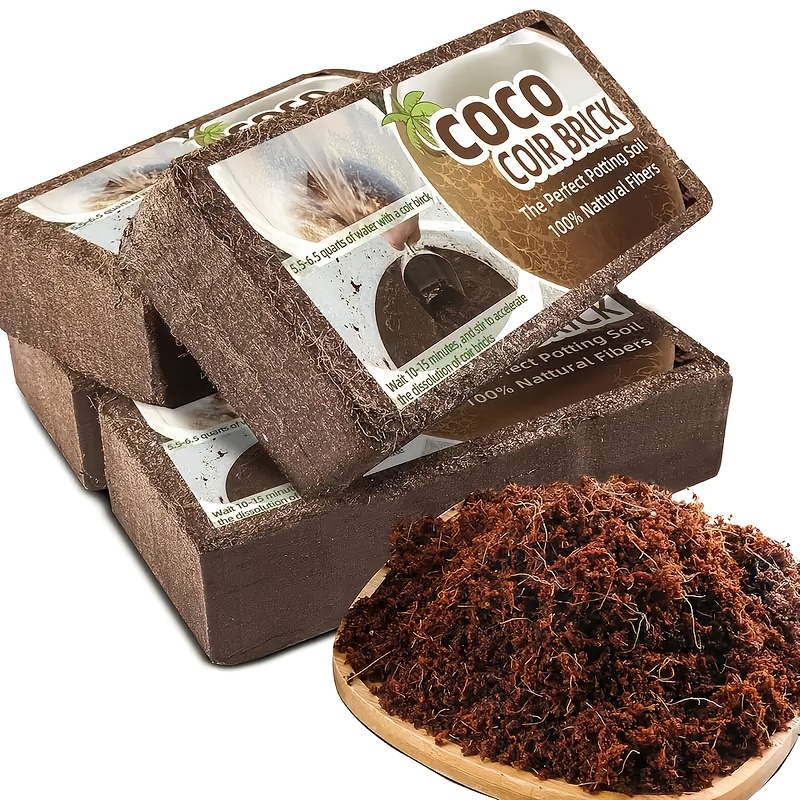
Mulch is another quiet hero. A thin layer of straw, bark, shredded leaves, or coconut fiber helps containers hold moisture and protects roots from temperature swings. On rooftops, where wind and sun can be fierce, mulch may be the difference between a stressed plant and a steady one. It also reduces weed seeds that drift into pots from nearby streets and vacant lots.
Maintenance should feel like a short ritual, not a burden. Yellow leaves can be removed once a week to improve airflow. Herbs can be pinched regularly to grow bushier. Pots can be rotated so each side receives light. Leaves should be checked underneath for aphids, whiteflies, or mites, because early action with water spray, insecticidal soap, or neem oil is much easier than rescuing an entire damaged planter later.
A practical example comes from a rooftop garden exposed to strong afternoon sun. By grouping drought-tolerant herbs together, placing thirstier greens in partial shade, collecting rainwater in a covered barrel, and using mulch across containers, the gardener can reduce stress while keeping the design generous. The lesson is clear: durability comes from matching care to conditions, not from working harder every day.
Once soil and watering are steady, the final magic comes from turning the garden into a place where people want to linger.
City Garden Design Ideas That Turn Unusual Urban Corners Into Living Retreats
The most memorable urban gardening projects often begin in places that seem awkward: a bare rooftop, a blank wall, a fire escape where rules permit safe use, a narrow courtyard, a doorstep, or a deep windowsill. These overlooked zones carry surprising potential because they are already part of daily movement. When softened with plants, they change not only the view but also the rhythm of the home.
Design starts with comfort. A garden that cannot be reached, watered, harvested, or enjoyed will slowly fade. Compact seating, foldable chairs, storage benches, and narrow side tables help a small area become usable without blocking access. When seating faces a living wall, raised bed, or group of colorful pots, the space gains a focal point and feels intentional.
Lighting, Privacy, and Calm: Garden Secrets for Everyday Well-Being
Lighting can transform a modest balcony after sunset. Solar string lights, low LED lanterns, or small path markers create atmosphere while making evening watering and pruning easier. The goal is not to flood the space with brightness, but to highlight leaves, textures, and quiet corners. A single uplight on a fern or olive tree can make the whole area feel cinematic.
Privacy screens made from climbing plants are especially valuable in dense neighborhoods. Jasmine, clematis, climbing nasturtium, bamboo in containers, or tall ornamental grasses can soften views of nearby windows and busy streets. Unlike a hard barrier, a living screen moves, filters light, and brings seasonal change. It gives the feeling of retreat without shutting the city out completely.
The psycho-physical benefits are real and immediate. Tending plants slows breathing, focuses attention, and offers a break from screens, traffic, and indoor air. A person pruning basil after work or watering lettuce before breakfast is not merely maintaining décor. That small act creates contact with texture, scent, moisture, and growth. In a fast city, that can feel deeply restorative.
Community spaces extend this effect beyond the individual home. A shared courtyard bed, rooftop planter project, or converted sidewalk edge can bring neighbors into conversation. Someone may contribute seedlings, another may share compost, and another may water during holidays. The garden becomes a social bridge, especially in buildings where people might otherwise pass each other silently.
Starting does not require sophisticated equipment. A recycled crate with drainage holes, a bag of quality potting mix, a few herbs, and a sunny ledge can begin the shift. From there, confidence grows. One container becomes three, a trellis appears, rainwater is saved, compost is tested, and the hard city edge starts to soften. The strongest garden secrets are rooted in attention, creativity, and the courage to let life climb where concrete once dominated.


