

In a city apartment, every square inch has a job. A sunny windowsill becomes a herb bar, a balcony corner turns into a mini “jardin balcon,” and a quiet kitchen spot starts behaving like a nursery. Urban gardening works like that: small, practical, and surprisingly calming after a loud day outside. The challenge is rarely motivation. It’s choosing garden essentials that fit tight spaces, handle real-life schedules, and still feel like a smart purchase. The best setups usually aren’t the fanciest; they’re the ones built around a few reliable tools, the right plant containers, and a simple routine that makes watering and feeding almost automatic.
This guide focuses on budget gardening choices that keep results high and costs sensible, with a special eye on TEMU finds that make city growing feel accessible. Think of the essentials as a system: affordable garden tools for quick maintenance, container gardening supplies that don’t waste space, and basics for soil nutrients so plants can actually perform in pots. A small urban garden doesn’t need much, but it does need the right “much.”

Garden Tool Set,
Urban garden essentials for the best price: containers that work hard in small spaces
In urban gardening, containers are more than decoration. They are the entire root environment, the drainage plan, and the reason a plant thrives or struggles. That’s why picking plant containers with intention saves money long-term: fewer losses, fewer repurchases, and less “why is this basil giving up?” frustration.

Super Sharp Premium Garden Shears
For anyone building a balcony or indoor setup from scratch, nursery pots are the quiet heroes. On TEMU, a 100pcs bundle nursery pots with plant tags makes seed-starting and propagation realistic even in a studio. Those small, sturdy plastic pots with drainage holes are ideal for starting lettuce, basil, Thai basil, dwarf marigolds, or strawberry runners. The included tags matter more than expected: when several seedlings look identical for two weeks, labeling prevents wasted time and accidental pulls.
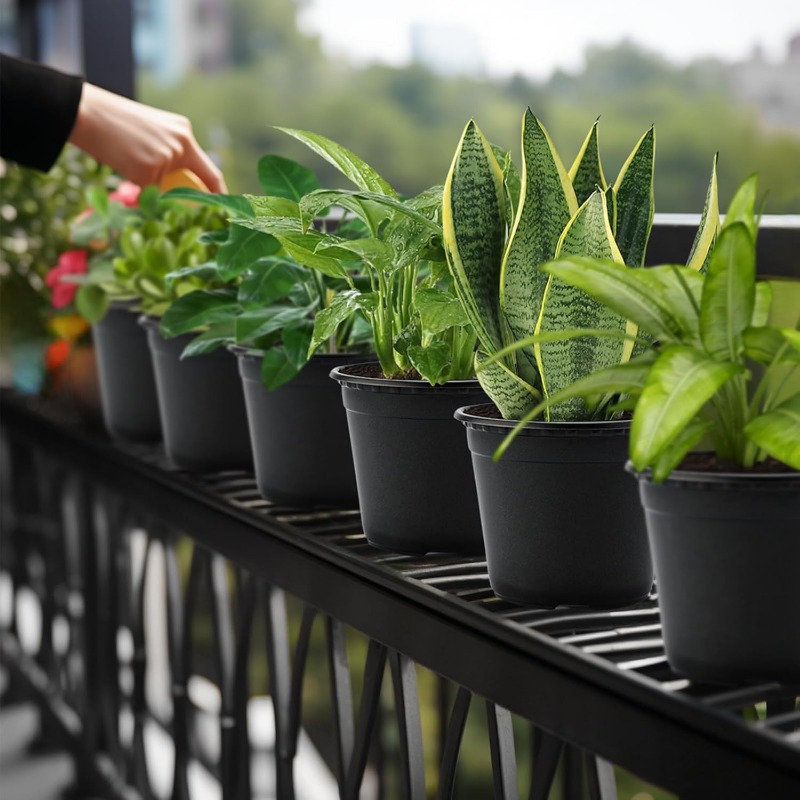
Nursery Pots with Plant Tags
A practical way to use these pots in container gardening is staging. Start seedlings in small nursery pots, then “pot up” only the strongest into a final planter. That avoids overspending on large decorative containers for plants that were never going to make it. A simple example: a windowsill nursery of eight tomato seedlings may produce three compact, balcony-suitable plants worth transplanting. The rest can be gifted to neighbors or swapped in a shared courtyard garden, which is a classic city-gardener move.
Soil nutrients in pots: choosing mixes and organic fertilizers without waste
Because containers dry faster and have limited buffering, soil nutrients must be planned rather than guessed. A clean baseline is an organic potting mix designed for containers, then gentle feeding using organic fertilizers like compost, worm castings, or seaweed-based liquids. Compost is especially city-friendly: it recycles kitchen scraps and reduces the need for frequent bagged inputs, while improving structure so roots breathe.
To keep purchases efficient, it helps to think in “batches.” Mix one tub of potting soil with a scoop of compost and a small portion of slow-release organic feed at the start of the season. Then top-dress monthly rather than constantly buying new mixes. The insight: in small spaces, consistency beats complexity.
Once containers and soil are set, daily maintenance becomes the difference between a hobby and a harvest—so the next step is having the right tools within arm’s reach.
Affordable garden tools that earn their spot: compact kits, pruners, and everyday maintenance
City gardeners don’t need a shed full of gear. They need affordable garden tools that fit in a drawer, feel good in the hand, and handle repetitive tasks like trimming, loosening soil, and tidying stems. This is where compact garden kits shine: one purchase, fewer duplicates, and less clutter under the sink.
A strong starting point is a multi-piece hand tool set, such as the 12 piece aluminum hand tool kit paired with a canvas apron that has storage pockets. In a small apartment, that apron is essentially a mobile workstation: pruners, twine, plant labels, and a small trowel stay together, so maintenance doesn’t become a scavenger hunt. Ergonomic handles matter when the “garden” is a collection of pots that still require real work—repotting, mixing top-dress compost, or scraping algae from a saucer.
For precise cutting, a dedicated pruner makes a visible difference in plant shape and yield. The 8.5″ professional titanium bypass pruning shears are the kind of tool that supports better habits: clean cuts on herbs encourage branching, deadheading flowers keeps blooms going, and removing weak stems helps airflow in tight balcony groupings. In practice, a quick weekly pruning session becomes a rhythm: snip basil above a node, tidy mint before it sprawls, trim chili pepper tips to push new growth. Small actions, steady payoff.

Garden Tools Set
When a smaller set is smarter: the 4-tool wooden-handle option
Some spaces don’t want twelve tools; they want four that do everything. A set of 4 gardening tools with pruning shears, trowel, rake, and shovel covers the core loop: planting, loosening, weeding, and harvesting. Wooden handles also feel comfortable for longer sessions, like turning a balcony planter after watering to prevent compaction.
To stretch value, simple care keeps tools lasting: wipe blades after pruning, dry metal before storing, and keep one small cloth in the apron pocket for quick cleanups. The insight: tool longevity is a budget strategy, not a bonus.
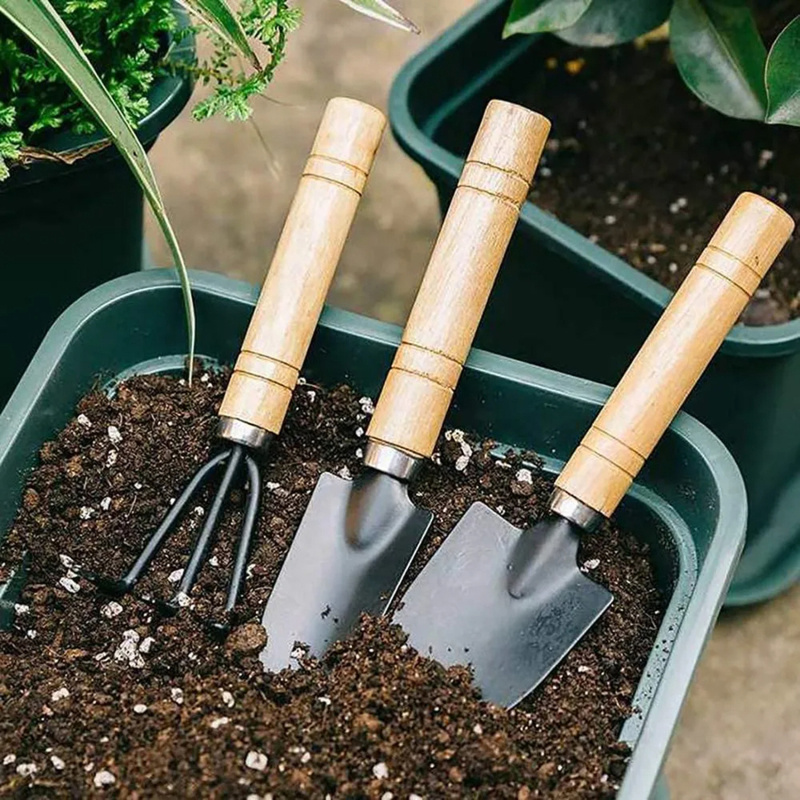
Set of 4 Gardening Tools
With tools sorted, the day-to-day challenge usually becomes water: too much, too little, or forgetting entirely during a busy week. That’s where small-space watering solutions make the whole setup feel effortless.
Budget gardening watering systems and plant support: simple routines for healthier growth
In apartments, watering isn’t just about hydration. It’s about protecting floors, avoiding fungus gnats, and keeping plants stable when wind tunnels between buildings. Smart watering systems don’t need to be complicated; they need to reduce decision fatigue. When watering becomes predictable, plants become predictable too.
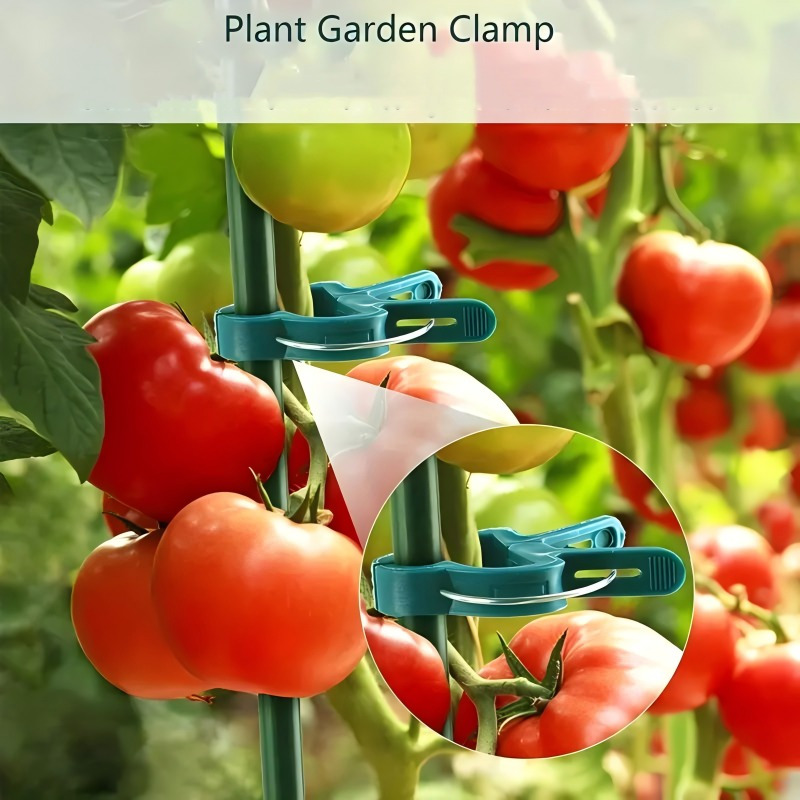
Adjustable Plant Clip - Reusable
Self-watering planters are one of the easiest upgrades for consistency. A built-in reservoir means the soil stays evenly moist, which is especially helpful for basil, parsley, and leafy greens that sulk when they dry out. Even without a fully “smart” planter, a simple routine works: check moisture with a finger, water until a little drains, then empty saucers so roots don’t sit wet. For balcony containers, watering early reduces evaporation, which is a small habit that lowers water use over the season.
To go even more efficient, many city gardeners add a basic drip setup or watering spikes for weekend trips. The goal is not automation for its own sake, but stability. On TEMU, it’s easy to build a small kit mindset: pick one or two simple components that match the number of pots, rather than buying oversized systems meant for yards.
Plant clips as support tools: the small accessory that prevents big problems
Support is part of watering success because floppy stems snap, and stressed plants drink differently. The 40/60/80pcs adjustable plant clip set is a low-cost essential for tomatoes, pothos, jasmine, peas, or even balcony flowers that lean toward the light. Clips guide growth along a railing, a small trellis, or discreet adhesive hooks, keeping walkways clear and leaves better exposed. In a tight “jardinage appartement” corner, that matters: airflow improves, leaves dry faster after watering, and pests have fewer hiding spots.
A relatable city scenario: a renter in a bright studio trains a cherry tomato up a balcony grid with clips, keeping fruit off the soil surface and making harvest cleaner. Another uses clips indoors to guide a vining plant around a window frame, turning empty vertical space into greenery without adding furniture. That’s the urban advantage—walls count as garden real estate.
For anyone shopping with value in mind, TEMU makes it easy to match essentials to a space and a budget: compact garden kits for tools, cost-effective nursery pots for scaling seedlings, and small accessories that keep plants upright and routines simple. The insight: the best price is the one that keeps the garden going all season, not just for one weekend.


