

City gardening often looks more expensive than it really is. A sleek balcony setup, tidy shelves of herbs, matching containers by the window: the image suggests a hobby that asks for money, time, and confidence all at once. Yet urban gardening usually begins with something far simpler. A packet of seeds, a bag of potting mix, a container with drainage, and a small tool can already turn a kitchen corner, a narrow sill, or a sunny fire escape into a productive growing spot. For anyone curious about beginner gardening, the smartest first step is not buying more. It is choosing a compact, practical starter kit that makes the first harvest feel possible.
That is why a $20 kit has real appeal. It lowers the pressure, keeps decisions easy, and makes room for experimentation. A renter with one bright window can grow basil and leaf lettuce. A balcony gardener can start radishes in a reused planter and add parsley beside them. Even in a studio apartment, a few well-chosen garden supplies create a routine that feels grounding. The point is not to build a perfect miniature farm overnight. It is to begin with planting essentials that fit daily life, fit a tight budget, and fit a small space garden without fuss.
Urban Gardening Starter Kit Basics for a Small Space Garden
A useful starter kit for budget gardening should cover five things: something to grow in, something to grow with, something to plant, something to water, and something to handle the soil. Once those are in place, the rest can come later. TEMU makes this easy because there is plenty of choice for city growers who want functional, affordable pieces without turning a first attempt into a major project.
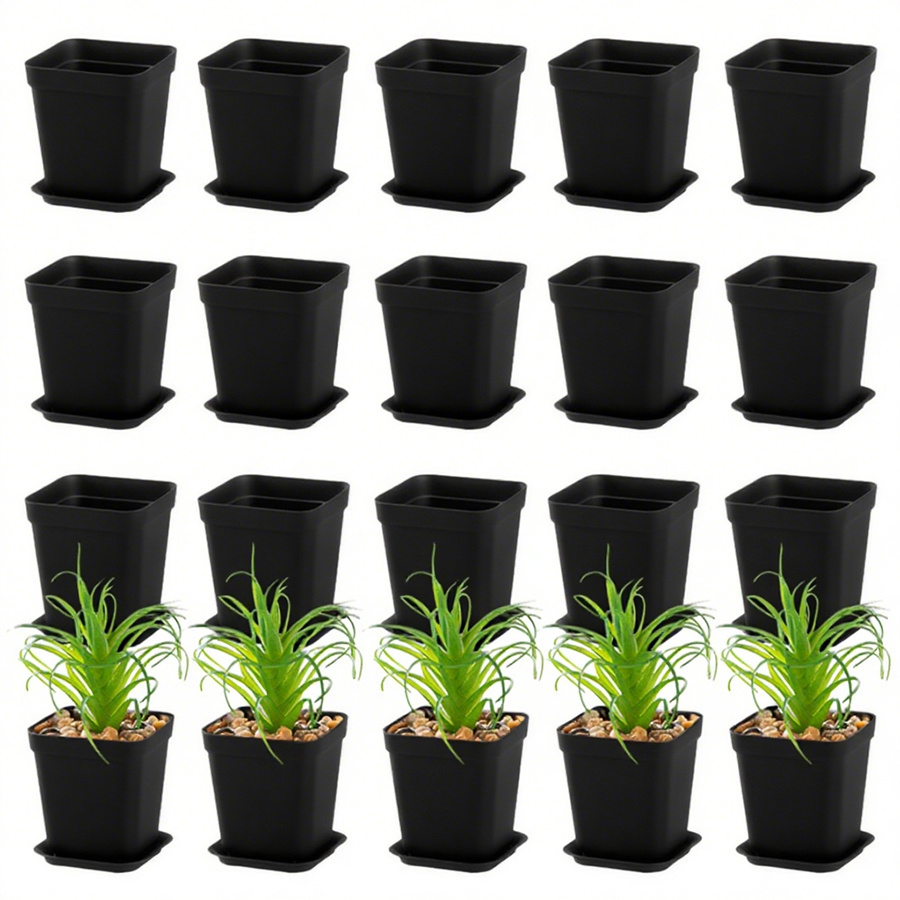
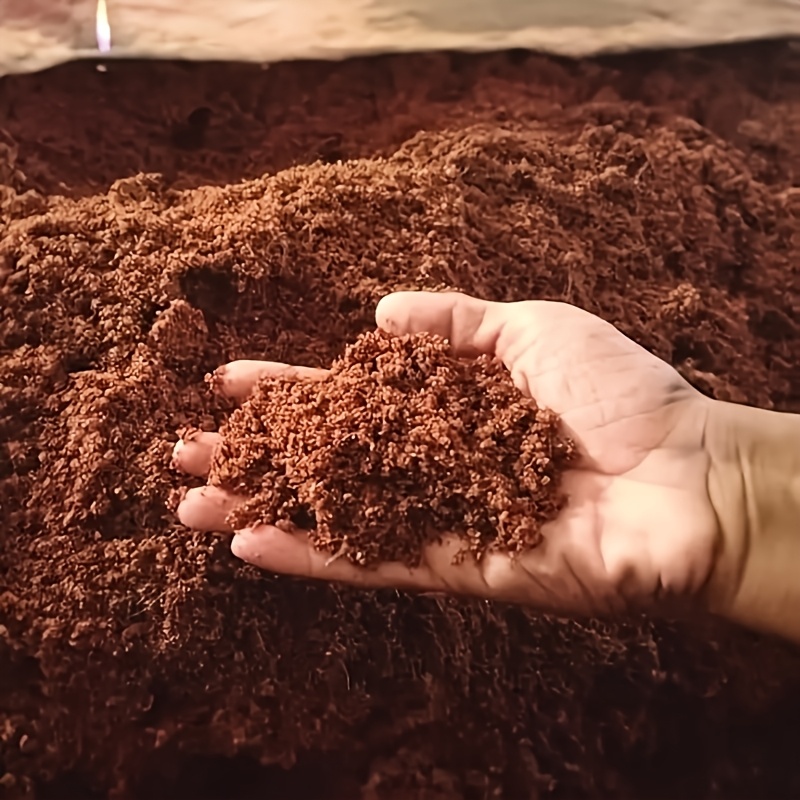
The first item is the container. In container gardening, this matters more than beginners expect. A lightweight pot, a compact planter box, or even a simple grow bag works beautifully in apartments because it can be moved to catch sunlight. For herbs, leafy greens, and radishes, medium-depth containers are enough. The second item is potting mix. A small bag of quality soil gives seeds a loose, airy start and helps roots form quickly, which is especially useful when space is limited and every container needs to perform well.
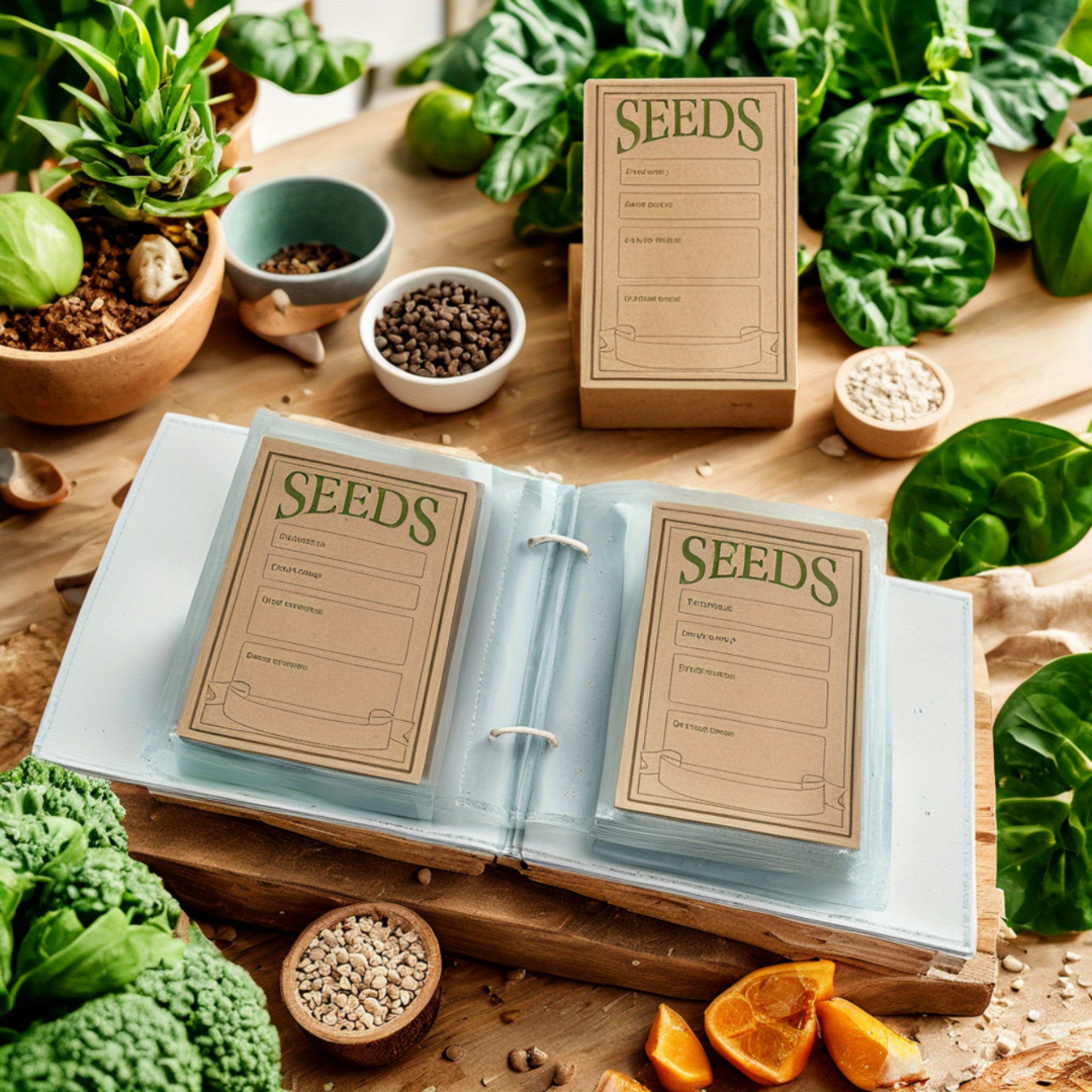
Then come the seeds. Fast, forgiving crops build confidence. Basil, parsley, chives, lettuce, spinach, and radishes are ideal because they suit a small space garden and reward attention quickly. Instead of chasing difficult crops too early, beginners do better with varieties bred for pots and compact growth. That simple choice often decides whether someone sticks with urban farming or gives up after one uneven tray.
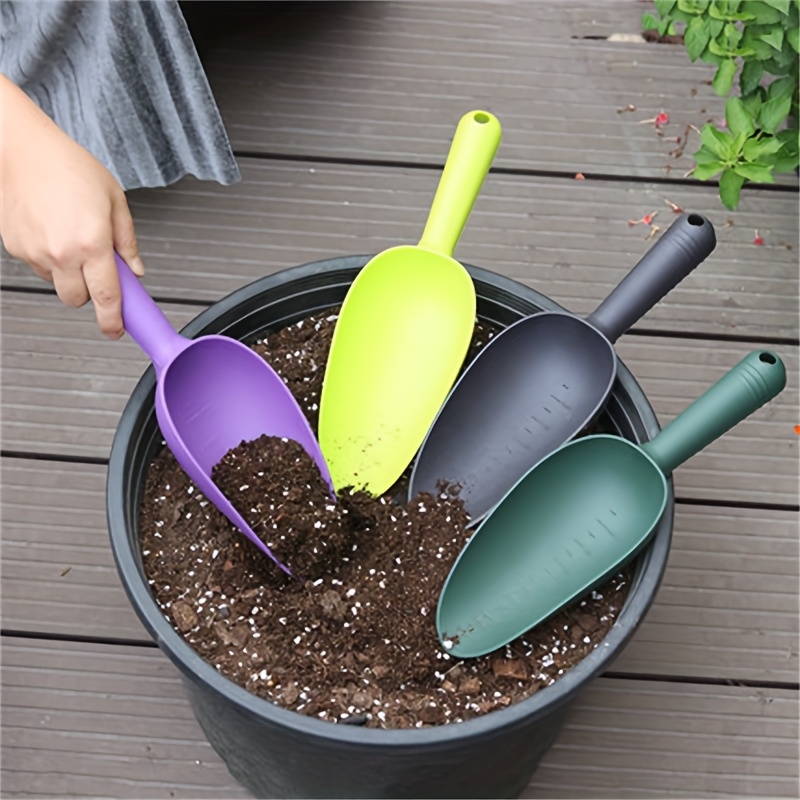
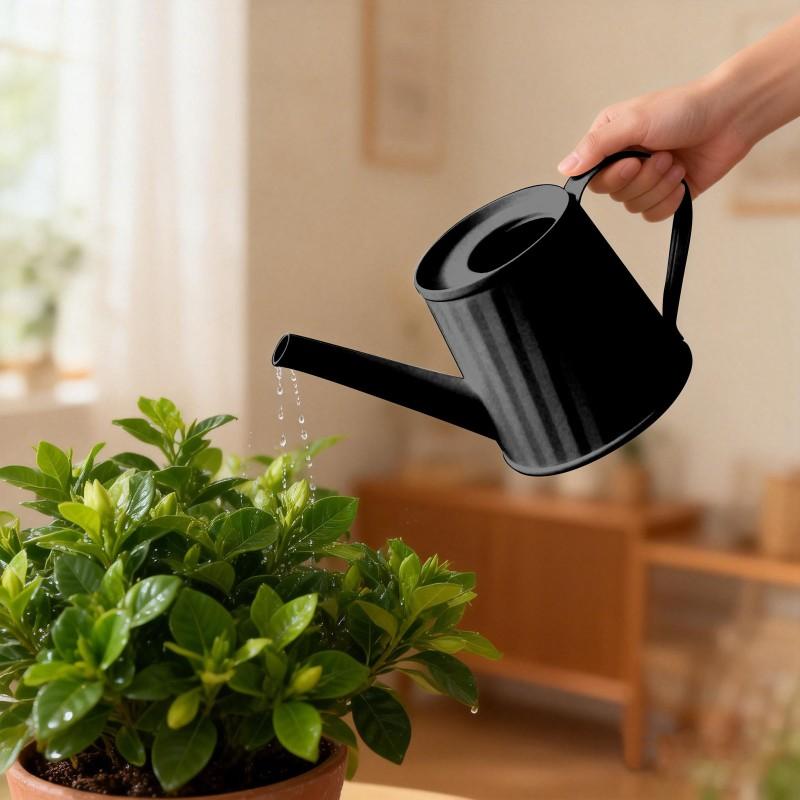
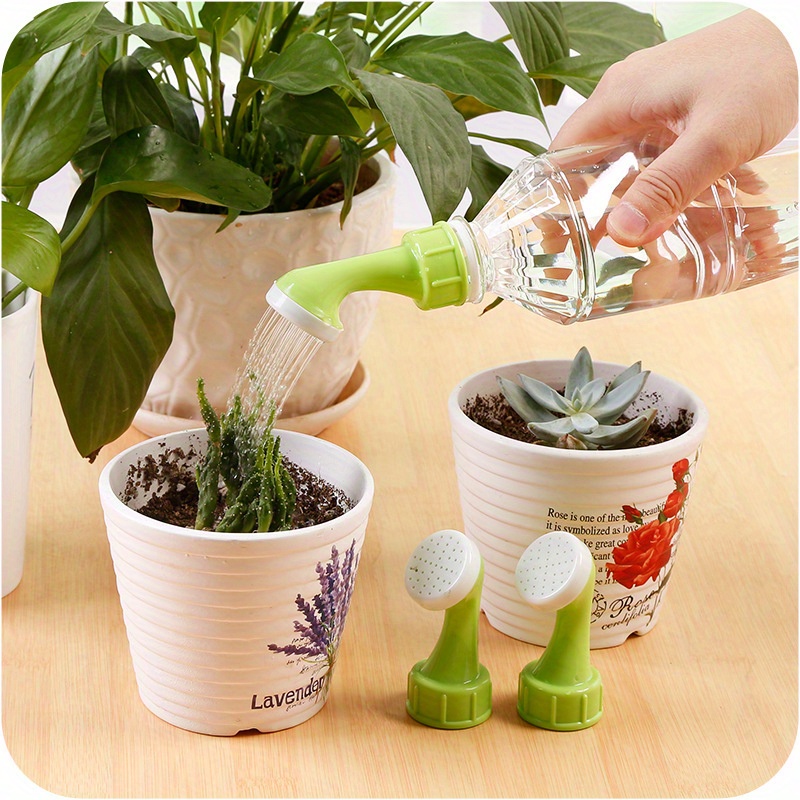
A hand trowel or mini scoop rounds out the kit. Among all easy gardening tools, this is one of the most useful because it helps fill containers, move seedlings, and tidy the soil surface without mess. Add a small watering can or squeeze bottle, and the basic setup is done. A practical starter list looks like this:
- 1 compact planter or grow bag
- 1 small bag of potting mix
- 2 to 3 packets of easy seeds
- 1 mini trowel or soil scoop
- 1 small watering can or bottle
That combination keeps the barrier low while still feeling complete. A city grower does not need a shelf full of gear to begin well. A few smart choices, chosen for daily use, are enough to turn intention into action.
What each item does in real life
Picture a tenant with a narrow balcony and only twenty minutes free on a Sunday afternoon. The pot gets filled, the mix is lightly moistened, basil and lettuce seeds are sown, and the trowel is used to cover them with a thin layer of soil. That is not a big production. It is exactly why this kind of setup works. Every item earns its place.
Even better, these basics stay useful as the garden grows. The same trowel later repots mint. The same watering can supports seedlings on the windowsill. A good beginner kit should not feel temporary; it should act like the foundation of a greener routine.
Once the kit is assembled, the next question is how to spend those first few days wisely. A simple setup becomes much more satisfying when the early steps are smooth and visible.


How to Use a $20 Starter Kit for Beginner Gardening Success
The first win in beginner gardening is usually not the harvest. It is germination. Seeing tiny shoots appear in a city apartment changes the whole experience. Suddenly the planter on the sill is not decorative. It is alive, responsive, and surprisingly motivating. To reach that point, the setup should stay simple and repeatable.
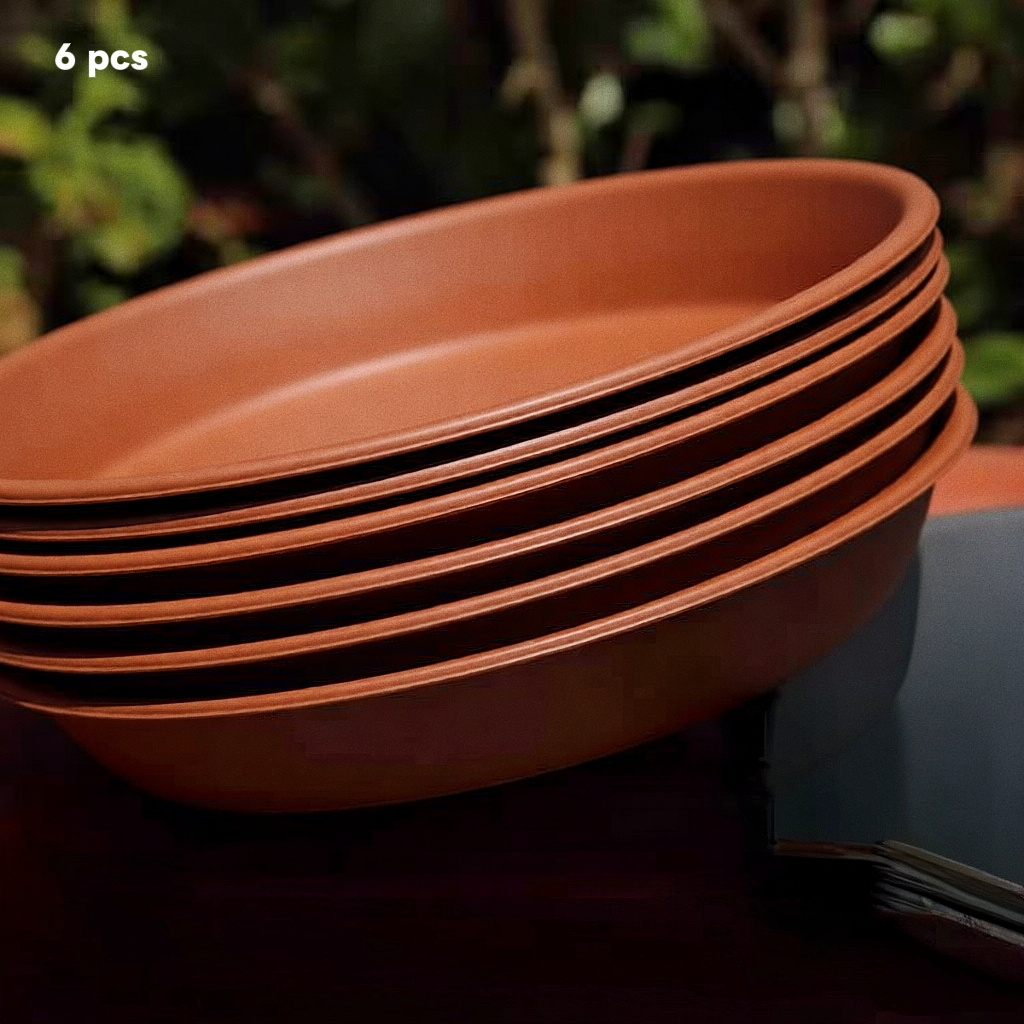
Start by preparing containers properly. Drainage holes are essential because roots need air as much as moisture. If the planter is decorative, placing a saucer underneath keeps surfaces clean and apartment-friendly. Fill with potting mix, leaving a little space at the top so watering does not spill over. Then water the soil lightly before sowing. Pre-moistened soil helps seeds settle more evenly and reduces the chance of washing them to one corner.
Planting depth matters, though it does not need to feel technical. Most herb and lettuce seeds only need a very thin covering of soil. Radishes go a little deeper. The packet instructions help, but a simple rule works well: tiny seeds stay near the surface, larger seeds go slightly deeper. After sowing, place the container where it gets consistent light. A south-facing window is ideal, though a bright balcony or shared terrace works too. If natural light is modest, compact indoor grow lights sold through TEMU can support year-round progress without taking over the room.
Daily care is where confidence grows. Water gently, not heavily. Check the top inch of soil with a fingertip. If it feels dry, water; if it still feels cool and moist, wait. This avoids the classic beginner habit of caring too much, too often. The same goes for harvesting. Snipping outer lettuce leaves or trimming basil tips encourages more growth and keeps plants productive in tight quarters.
| Item | Estimated Budget | Best Use in a Small Space |
|---|---|---|
| Compact planter or grow bag | $4 to $6 | Balcony rails, windowsills, shelves |
| Potting mix | $3 to $4 | Herbs, greens, quick crops |
| Easy seed packets | $3 to $5 | Basil, lettuce, radish, parsley |
| Mini trowel | $3 to $4 | Filling pots and light transplanting |
| Small watering tool | $2 to $3 | Gentle watering indoors or on balconies |
This is where budget gardening feels less like compromise and more like good design. A compact kit invites consistency. When everything is easy to reach and easy to use, plants are more likely to get the small, regular care they need.
Choosing crops that keep motivation high
Fast-growing plants do something expensive hobbies often fail to do: they give quick encouragement. Radishes can move quickly, lettuce can be harvested in stages, and herbs reward even a modest amount of attention. That matters. A first-time gardener is far more likely to continue when a plant visibly responds within days or weeks.
In 2026, with grocery prices still shaping household choices, growing a handful of herbs or salad leaves at home is not just charming. It is practical. A tiny harvest will not replace a weekly shop, of course, but it can build skill, cut waste, and make meals feel fresher. Momentum starts with manageable crops, not ambitious ones.
Once the basics are working, the kit becomes more than a beginner purchase. It turns into something personal, adaptable, and quietly satisfying in everyday city life.
Budget Gardening Ideas That Personalize Your Urban Farming Routine
A good starter kit should never feel rigid. One of the pleasures of urban gardening is how easily it adapts to personality and routine. Some people want a kitchen herb corner close to the stove. Others want a balcony line of edible flowers and salad greens. The beauty of a modest setup is that it leaves room for creativity without losing the discipline of sensible spending.
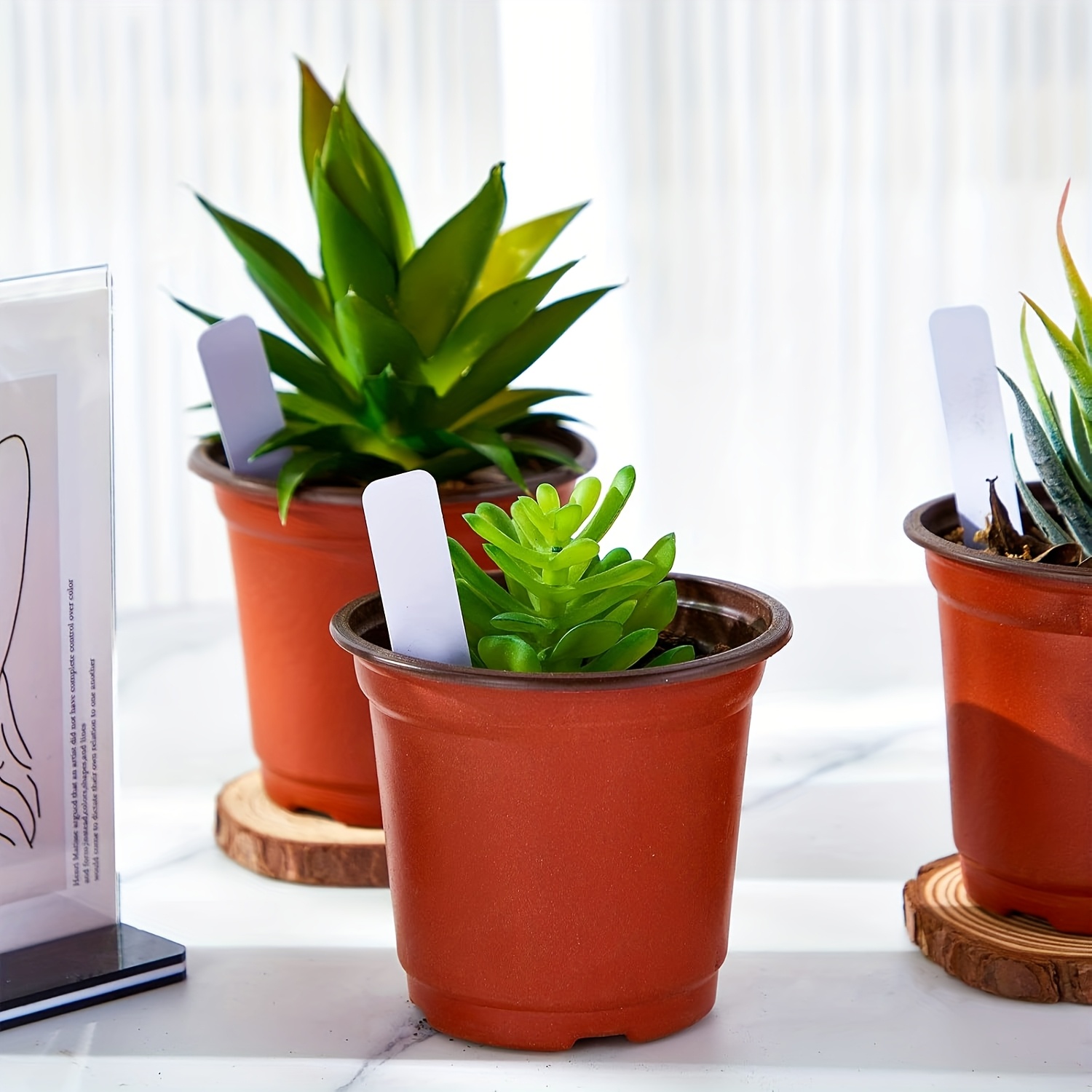
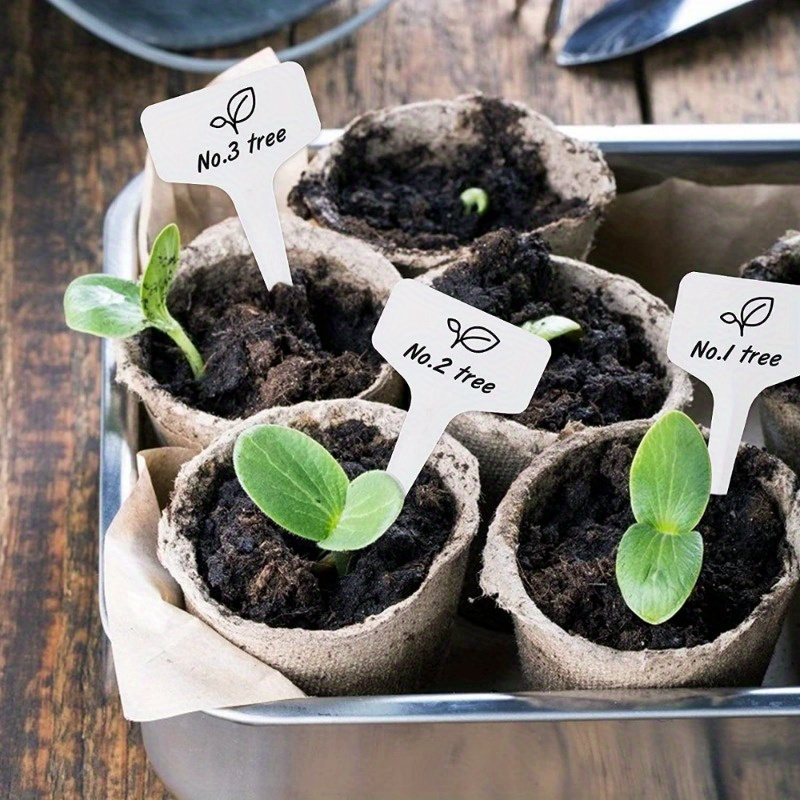
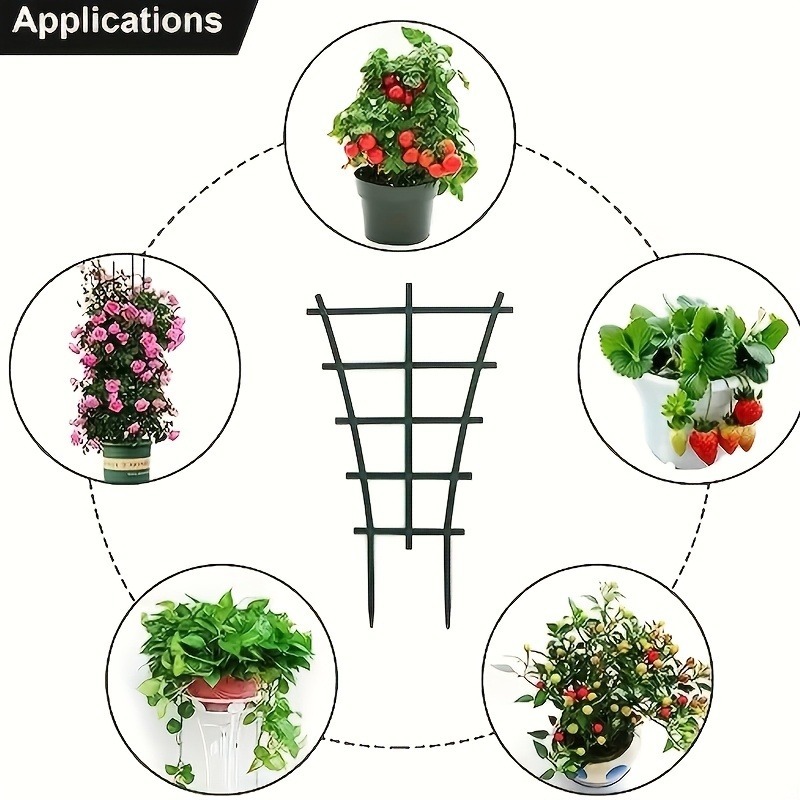
That creative side can begin with containers. Matching planters look neat, but repurposed items can add charm and still support healthy growth. A sturdy tin used as an herb pot, a shallow crate lined for greens, or a compact vertical arrangement on a shelf can all work well. TEMU is especially helpful here because it offers affordable accessories that make the setup feel finished, from labels and trays to compact supports for climbing crops. Small upgrades have an outsized effect in a tight apartment.
The same goes for crop choices. Someone who cooks often may build the kit around parsley, basil, and chives. Another city gardener might prefer marigolds and nasturtiums for color, pollinator appeal, and edible petals. A practical mix often includes one herb, one leafy crop, and one quick vegetable. That combination keeps things useful, attractive, and rewarding. It also introduces the rhythm of urban farming in a way that fits real life rather than idealized garden photos.
There is also a quieter benefit. Tending a planter before work, checking the moisture after dinner, or trimming basil on a rainy evening creates a pause in the speed of city routines. The kit may be inexpensive, but the effect rarely feels small. Growing even a few leaves at home brings a sense of agency that many people miss in dense urban settings. It reconnects daily life with season, weather, and care.
For that reason, the smartest garden supplies are often the simplest ones. Choose the pieces that remove friction. Keep only the planting essentials within reach. Let the garden expand naturally, one container at a time. That is how a low-cost start becomes a lasting habit rather than another abandoned project on a shelf.
The final lesson is clear enough: a thriving city garden does not begin with abundance. It begins with a manageable kit, a bright corner, and a willingness to grow into the process.
What is the best first plant for a small apartment garden?
Basil, lettuce, parsley, and radishes are strong choices because they suit container gardening, grow well in compact spaces, and give visible results quickly.
Can a $20 starter kit really be enough for urban gardening?
Yes. A basic planter, potting mix, easy seed packets, a mini trowel, and a simple watering tool cover the main needs for beginner gardening in a small space garden.
Do beginners need special tools for container gardening?
Not many. Easy gardening tools such as a mini trowel and a small watering can are usually enough to plant, water, and maintain herbs or greens in pots.
How often should plants in a starter kit be watered?
Check the soil daily with a fingertip. If the top layer feels dry, water gently. If it still feels moist, wait. This simple habit prevents overwatering and supports steady growth.


