

Planting organic eggplants for container gardening success turns a balcony, rooftop, patio, or small courtyard into a productive edible corner with a surprisingly elegant crop. Growing these glossy fruits in pots gives gardeners tighter control over soil preparation, easier movement when weather shifts, and simpler pest control because every leaf, stem, and fruit stays within reach. In dense urban spaces, where ground soil may be compacted, polluted, or unavailable, containers create a cleaner growing stage for strong roots and steady harvests.
The appeal is not only practical. Organic eggplants bring color, texture, and culinary possibility to small-space gardens, from deep purple classics to striped Italian varieties and compact patio cultivars. A container can be rotated toward better sunlight, sheltered from strong winds, or lifted away from slug-prone corners. With the right pot, rich organic mix, consistent watering, and thoughtful feeding, eggplants can behave less like demanding vegetables and more like sculptural summer companions that reward attention with firm, shiny fruit.


Choosing the Best Containers for Organic Eggplants in Container Gardening
The container is the quiet engine of successful container gardening. Eggplants develop a substantial root system, and cramped pots often lead to stressed plants, small fruit, and frequent wilting. A suitable container should be at least 30 to 40 cm deep, with a similar width for compact varieties and even more space for vigorous types such as Black Beauty or Listada de Gandia. In practical terms, a single plant usually performs best in a pot holding roughly 15 to 25 liters of growing medium.
Material matters because it changes temperature and moisture behavior. Terracotta breathes beautifully and looks timeless on a balcony, but it dries quickly during heat waves. Fabric grow bags encourage air pruning and strong roots, yet they require attentive watering. Recycled plastic or resin containers hold moisture longer and are light enough to move, which is useful when a storm rolls in or when a sunlit corner becomes shaded by a neighboring building. The most reliable choice is not always the most expensive one; it is the one that fits the gardener’s climate, habits, and space.
Drainage, depth, and mobility for healthier eggplant roots
Drainage is non-negotiable. Eggplants dislike waterlogged roots, and a container without generous drainage holes can turn an organic dream into a sour-smelling swamp. A raised pot foot, saucer with occasional emptying, or breathable stand keeps the base from sitting in stagnant water. Adding stones at the bottom is less effective than many people believe; a well-structured mix and open drainage holes do more to protect roots.
Mobility becomes a hidden advantage when city weather behaves like theater lighting: bright one hour, windy the next. A wheeled caddy can help move a heavy pot toward morning sun or away from harsh afternoon gusts. On a rooftop garden imagined in Brooklyn, a grower named Lena might start her eggplant near a brick wall that radiates warmth in May, then shift it slightly once midsummer heat intensifies. That small adjustment can prevent blossom drop and reduce leaf scorch.
Container size also influences feeding. A larger volume of soil buffers moisture and nutrients, while a tiny decorative pot demands constant rescue. The best container gives roots room, air, and stability, creating the foundation for every later decision about organic nutrition, pruning, and harvesting.
Organic Soil Preparation and Planting Eggplants at the Right Time
Strong eggplants begin with soil preparation that feels almost like building a living pantry. The ideal organic potting mix is rich, loose, and well drained, never dense garden clay scooped into a container. A productive blend often combines high-quality organic potting soil, mature compost, coconut coir or leaf mold for moisture balance, and perlite or pumice for aeration. Compost brings microbial life and slow-release nutrition, while mineral amendments such as rock dust or gypsum can support structure and trace elements when used thoughtfully.
Because eggplants are warm-season crops, timing is a decisive detail. Seeds are usually started indoors 8 to 10 weeks before the last expected frost, in a warm place where germination temperatures stay around 24 to 30°C. Transplanting outdoors should wait until nights remain reliably above 15°C, with soil that has warmed enough to avoid root shock. In cooler regions, this may mean late spring; in mild Mediterranean or subtropical climates, the window opens earlier. The plant may survive a chilly night, but survival is not the same as momentum.
From seedling tray to container without slowing growth
When planting seedlings, the root ball should be handled gently and set at roughly the same depth it occupied in its nursery pot. Unlike tomatoes, eggplants do not benefit from deep burial of the stem. The container mix should be pre-moistened before transplanting, so roots enter a welcoming environment rather than a dry pocket. After planting, a light layer of straw, shredded leaves, or untreated grass clippings can reduce evaporation and keep soil temperature more stable.
Spacing remains important even in pots. One plant per container gives leaves better air circulation and reduces disease pressure. A crowded pot may look lush for a few weeks, then become a humid tunnel where aphids, mites, or fungal problems thrive. For balcony gardeners, restraint can feel counterintuitive, but one well-grown eggplant often produces more usable fruit than three struggling plants sharing the same limited root zone.
Organic amendments should be mixed before planting rather than dumped heavily afterward. A modest amount of worm castings, composted manure, or slow-release vegetable fertilizer gives seedlings a steady start. Too much nitrogen, however, can create dramatic foliage with fewer blossoms. The best mix feeds growth without turning the plant into a leafy actor that forgets its fruiting role.
Once the seedling is settled, the container should be placed where it receives full sun and warmth. This moment links the invisible world of roots with the visible architecture of leaves, flowers, and future fruit.
Sunlight, Watering, and Organic Fertilizer for Productive Eggplants
Eggplants are sun lovers with a taste for consistency. A productive plant needs at least 6 to 8 hours of direct sunlight each day, and in many regions, more light means better flowering and firmer fruit. A south-facing balcony, bright terrace, or open courtyard usually works well, provided the plant is protected from strong winds. Wind can tear large leaves, dry the potting mix too quickly, and knock blossoms loose before pollination succeeds.
Heat is welcome, but stress is not. In very hot climates, containers can overheat faster than ground beds, especially if dark plastic pots sit on concrete. A pale container, mulch layer, or afternoon shade cloth during extreme heat can protect roots while still preserving the sunlight needed for fruit development. The goal is not to pamper the plant into weakness; it is to keep its energy directed toward flowers and fruit instead of emergency survival.
Watering rhythm and feeding schedule for container-grown eggplants
Watering must be regular because pots dry faster than garden soil. The surface may look dry while the deeper mix remains moist, so checking with a finger 3 to 5 cm below the surface gives better guidance than guessing. Eggplants prefer evenly moist soil, not alternating drought and flood. Irregular moisture can cause blossom drop, bitter fruit, or stalled growth, especially during flowering.
Morning irrigation is usually best because leaves dry faster and roots receive water before the warmest part of the day. Water should be directed to the soil rather than sprayed over the foliage. A small drip line, self-watering container, or narrow-spout watering can suits urban gardeners who need precision. During a summer heat spell, a large plant in a fabric bag may need daily attention, while a deeper plastic pot with mulch may require less frequent care.
Organic feeding should begin once the plant resumes active growth after transplanting. A balanced organic fertilizer, compost tea, seaweed extract, or diluted fish emulsion can be applied every two to three weeks, depending on the richness of the mix and the plant’s behavior. When flowers appear, a formula slightly higher in potassium and phosphorus supports fruiting. If leaves are huge and dark but blossoms are scarce, nitrogen is likely too generous.
A simple urban example makes the pattern clear. On a sixth-floor terrace, one container receives morning sun, steady moisture, and a compost-based feed every few weeks; another receives sporadic soaking and long dry gaps. By midsummer, the first plant holds glossy fruit, while the second drops flowers like confetti after a parade. Rhythm, more than intensity, is what turns care into yield.
Light, moisture, and nutrition work like a three-part conversation. When one voice becomes too loud or disappears, the whole plant answers with slower growth, fewer blossoms, or weaker fruit.
Organic Pest Control, Plant Care, and Harvesting Eggplants at Peak Quality
Container culture makes pest control more personal and more precise. Instead of treating a large garden bed, the grower can inspect the underside of leaves, remove pests by hand, and respond quickly before damage spreads. Common problems include aphids, flea beetles, spider mites, whiteflies, and occasionally caterpillars. Diseases such as powdery mildew, verticillium wilt, and bacterial leaf spots may appear when airflow is poor, leaves stay wet, or old contaminated soil is reused carelessly.
Organic prevention starts with observation. A few tiny holes from flea beetles on young leaves may justify a lightweight insect net for the first weeks after transplanting. Aphids can often be dislodged with a firm spray of water, then discouraged with insecticidal soap if needed. Neem oil may help when used carefully in the evening, avoiding flowers during pollinator activity and never applying under intense sun. Healthy soil, clean containers, and good spacing reduce the need for stronger interventions.
Pruning, support, rotation, and signs of perfect harvesting
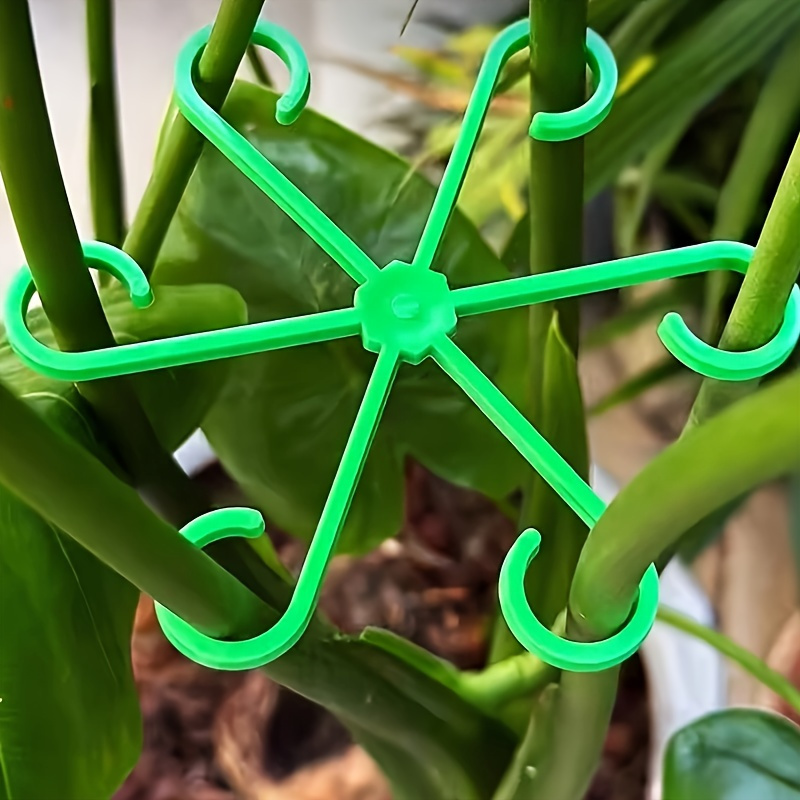
General care keeps the plant balanced. Compact varieties may need only light pruning to remove yellowing leaves or crowded interior growth. Taller plants benefit from a bamboo stake, small cage, or soft ties that prevent branches from snapping under fruit weight. This is especially important in windy balcony settings, where one sudden gust can undo months of patient care. Support should be installed early, before roots fill the container and make staking awkward.
Rotating the pot every few days helps the plant receive even light, reducing lopsided growth. At the end of the season, the substrate should not be treated as permanent furniture. Refreshing or replacing part of the mix, cleaning the container, and avoiding repeated nightshade crops in the same medium helps interrupt disease cycles. If tomatoes, peppers, and eggplants share the same rotation endlessly, soil-borne problems can accumulate quietly.
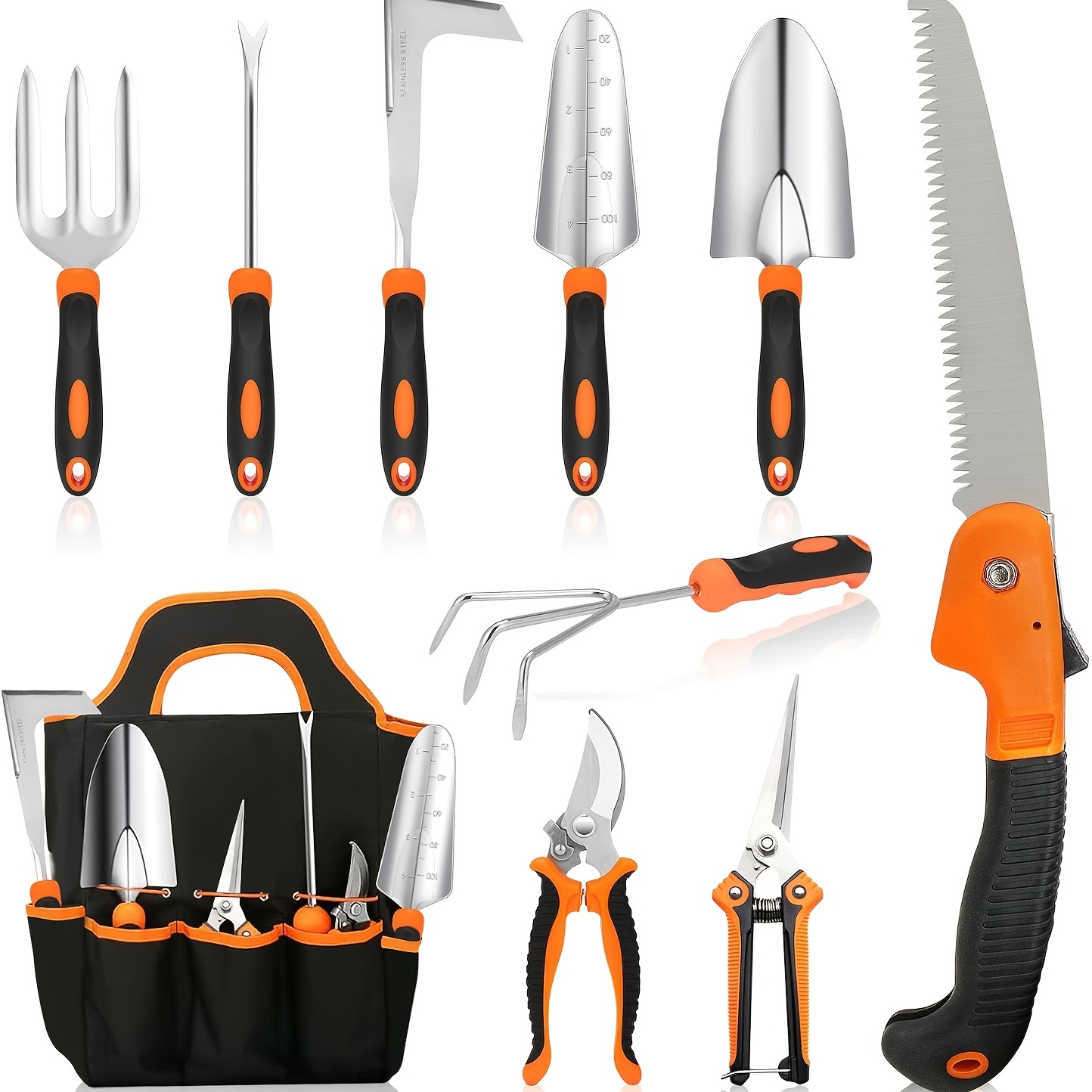
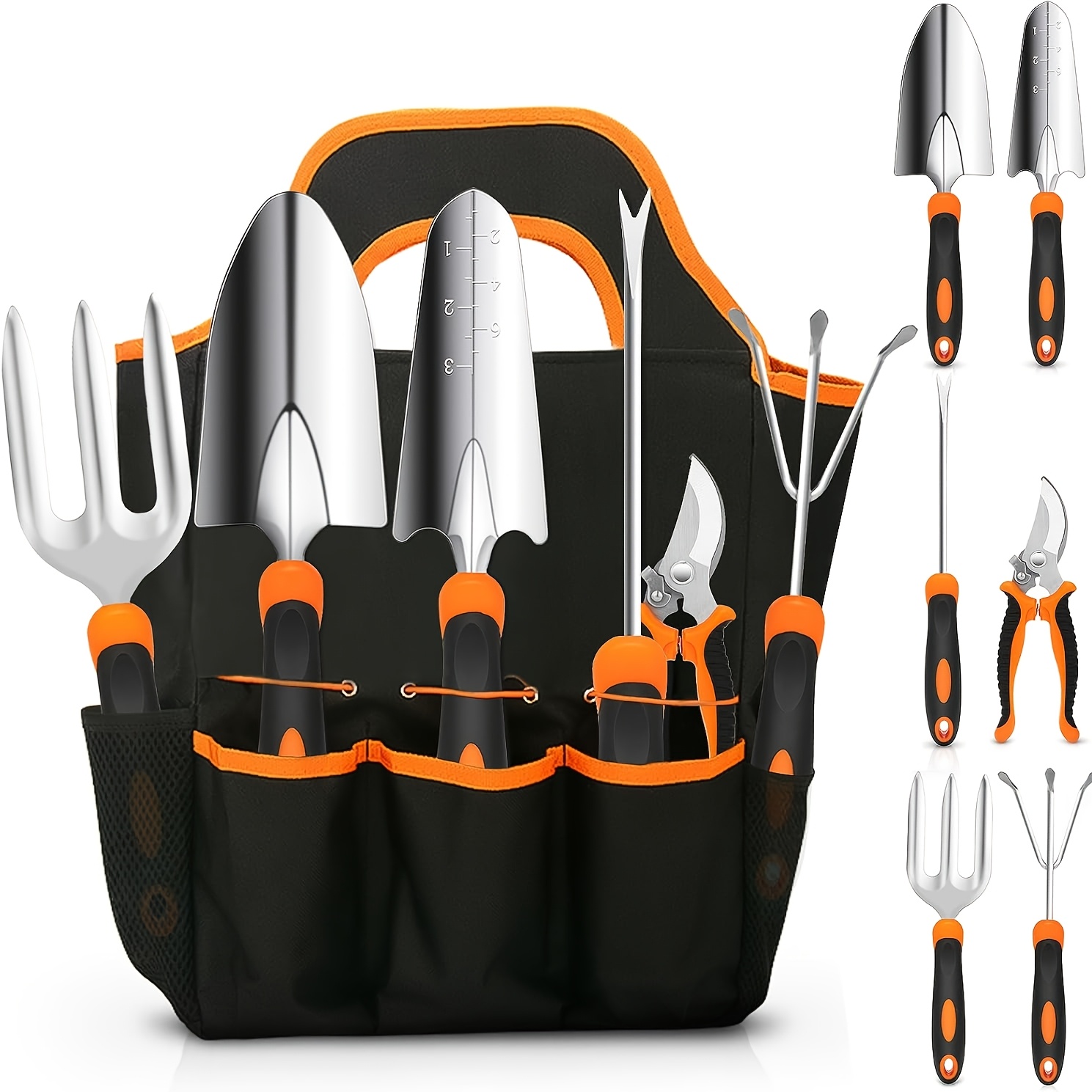
Harvesting depends on shine, firmness, and size rather than sheer bulk. Eggplants are usually best picked when the skin is glossy, the fruit feels firm but not hard, and seeds inside are still pale and tender. If the skin turns dull, the fruit often becomes seedy and bitter. A sharp pruner or knife should be used, leaving a short stem attached, because pulling can damage branches.
Practical ecological tricks can improve yield without betraying organic principles. A mulch layer reduces water waste, companion flowers such as marigold or alyssum attract beneficial insects, and rainwater collection lowers reliance on treated tap water. Even coffee grounds, when composted first rather than dumped fresh in thick layers, can join the nutrient cycle. In a small container garden, every choice is visible, and that visibility becomes a form of discipline: fewer chemicals, closer attention, better fruit.
The finest container-grown eggplant is not simply the largest one on the plant. It is the fruit harvested at the moment when sunlight, soil life, steady moisture, and careful hands have reached their quiet agreement.


