

A balcony can become more than a place for a chair, a drying rack, or a few decorative pots. With the right container and a little patience, it can also produce fresh potatoes in a limited urban space. The idea may sound rustic, almost borrowed from a countryside allotment, yet it fits surprisingly well into city life: potatoes grow underground, need no ornamental perfection, and reward simple care with a harvest that feels practical, generous, and quietly satisfying.
For a beginner, the appeal is immediate. A potato plant does not demand a greenhouse, a raised bed, or a large terrace. It asks for depth, light, breathable soil, and steady moisture. A single balcony corner can host a grow bag, a deep bucket, or a recycled storage tub with drainage holes. In return, the gardener gains food that has not crossed supply chains, packaging, or supermarket shelves. This small crop also brings a playful rhythm to apartment life: green shoots appear, stems rise, soil is added around them, flowers may form, and hidden tubers swell out of sight like a quiet underground project.

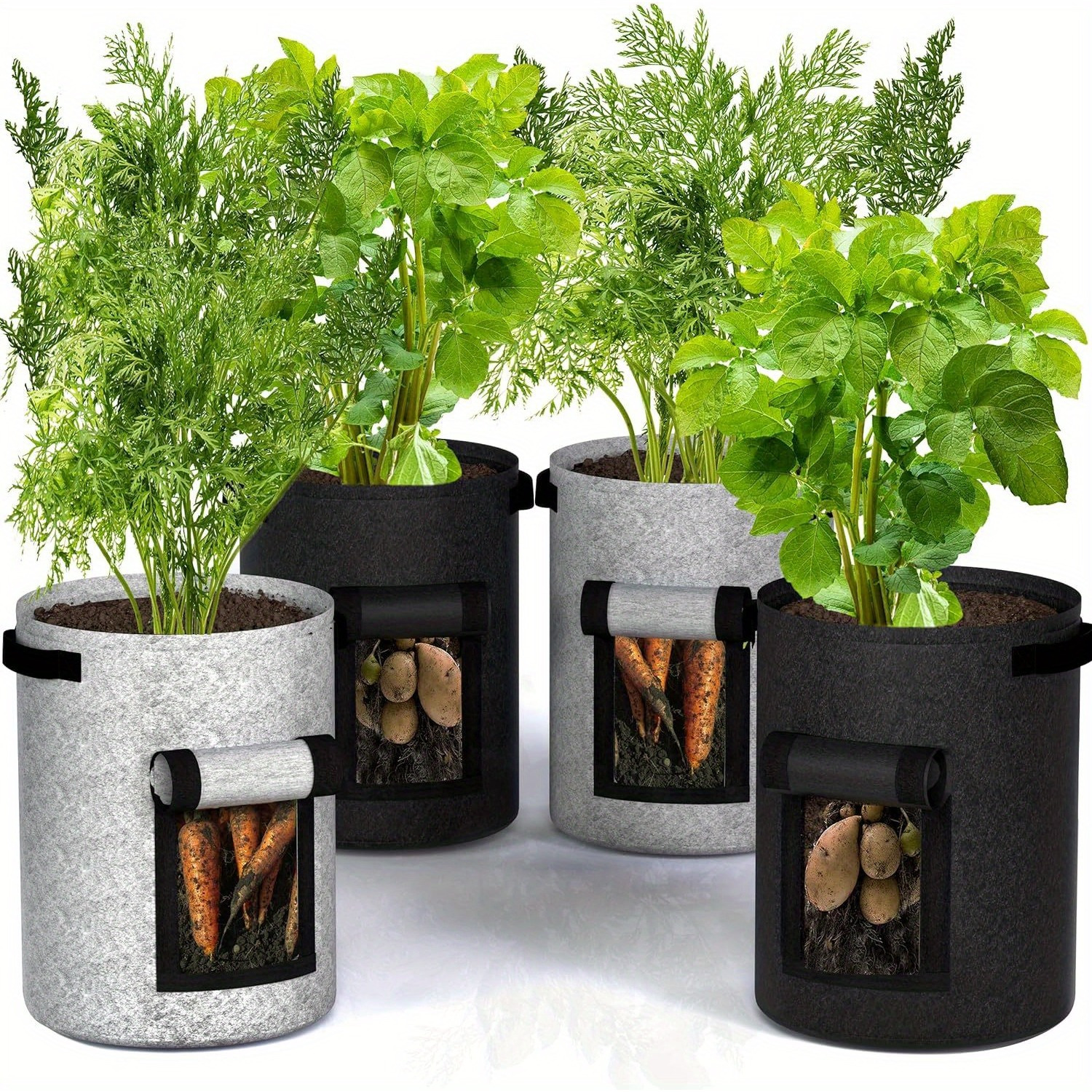
How to choose the best container and balcony setup for growing potatoes
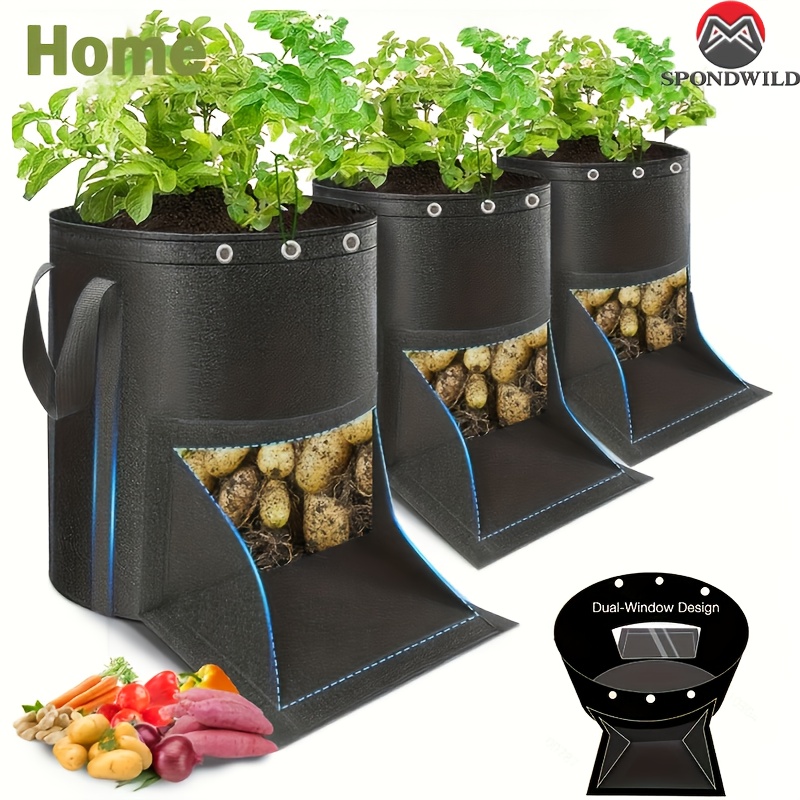
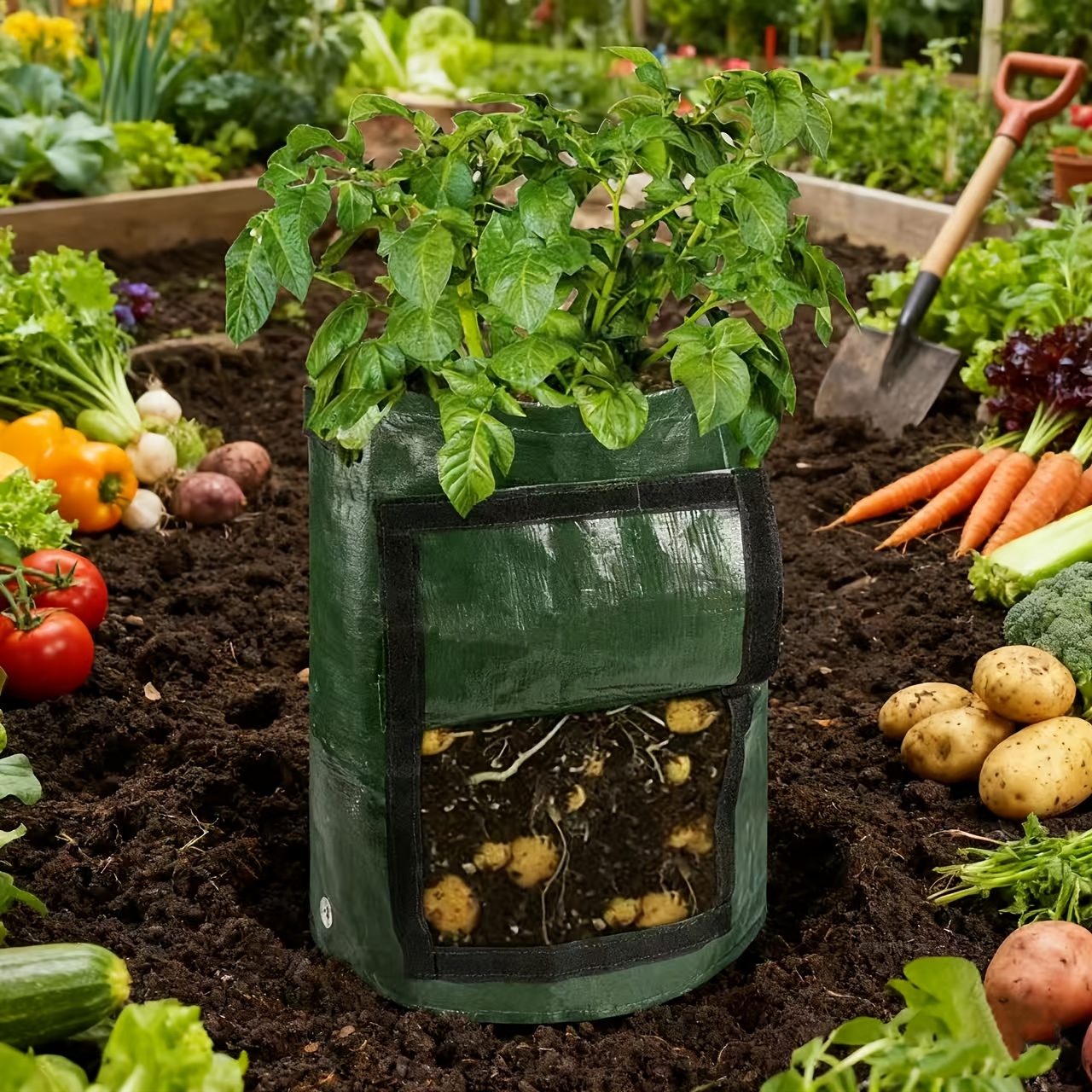
The first decision is the container, because potatoes need room below the surface. A shallow planter may look elegant, but it will frustrate the crop. The most reliable choice is a deep container of at least 40 to 50 centimeters, with enough width for several stems to grow without crowding. Fabric grow bags are excellent because they allow air to circulate around the roots and prevent water from stagnating. A sturdy plastic tub can also work if drainage holes are added at the bottom and slightly along the lower sides.
Drainage is not a minor detail; it is the difference between a lively plant and rotting tubers. Potatoes enjoy moisture, but they dislike sitting in water. A balcony grower can place the container on small feet, bricks, or a plant stand so excess water flows away easily. If the balcony belongs to a rental apartment, a saucer can protect the floor, but it should never remain full for long. The goal is moist soil, not a miniature swamp.
Soil, sunlight, and wind protection for balcony potato plants
The growing mix should feel light in the hand, not heavy like compact garden clay. A good combination includes quality potting soil, compost, and a little coarse material such as perlite or coconut fiber to improve aeration. Potatoes form tubers more easily when the soil is loose, because dense soil presses around the developing crop and slows expansion. For beginners building a compact food corner, guidance on growing successfully with balcony pots can help turn a simple container into a productive system.
Sunlight is the next ingredient. A potato container should receive six hours of direct light when possible, although a bright balcony with slightly less sun can still produce a modest harvest. South- and west-facing balconies often perform well, while very shaded spaces may lead to tall, weak growth and fewer tubers. Wind also matters: high balconies can dry out soil quickly and snap tender stems. A railing screen, a cluster of taller pots, or a sheltered wall can create a calmer microclimate without blocking light.
Consider the case of Lina, a fictional city renter with a narrow sixth-floor balcony. Her first attempt used a decorative window box, and the plants looked charming but produced almost nothing. The second attempt used a 45-centimeter fabric bag tucked beside a warm brick wall, and the difference was dramatic. The lesson is simple: potatoes forgive small spaces, but not shallow thinking.
Once the container, soil, and location are settled, the project shifts from setup to choreography: a few tubers, a partial layer of soil, and a steady habit of adding more growing mix as the plants climb upward.
Step-by-step potato planting on a balcony in a deep pot or grow bag
Planting begins with the tubers. Seed potatoes from a garden supplier are ideal because they are selected for planting and less likely to carry disease. Small supermarket potatoes can sprout and grow, but they may have been treated to delay sprouting, so results are less predictable. Before planting, the tubers can be placed in a bright, cool spot for one to two weeks until short, firm sprouts appear. This process is often called chitting, a simple word for encouraging the potato to wake up before it enters the soil.
If a tuber is large, it can be cut into pieces, as long as each piece has at least one strong sprout. The cut surfaces should dry for a day before planting, forming a thin skin that reduces the risk of rot. Small seed potatoes can be planted whole. This preparation may feel like kitchen work, but it is closer to setting a stage: every sprout is a future stem, and every stem can feed the hidden crop below.
Planting depth, watering, and the first growth phase
The container should not be filled to the top at the start. Add only 15 to 20 centimeters of soil, place the sprouted potatoes on the surface with the shoots facing upward, and cover them with another 10 centimeters of mix. In a medium grow bag, two or three seed potatoes are usually enough. Overcrowding looks productive at first, but it creates competition for water, nutrients, and underground space. A balcony container rewards restraint; fewer plants often mean better potatoes.
After planting, water gently until the soil is evenly moist. A watering can with a rose head is useful because it spreads water softly instead of carving holes into the soil. During the first two weeks, the container should be checked regularly, especially if spring weather turns warm or windy. The surface can dry quickly, while the lower soil remains damp, so a finger test is more reliable than appearance alone. If the top few centimeters feel dry, it is time to water.
When shoots reach around 15 to 20 centimeters tall, add more soil around the stems, leaving the top leaves exposed. This is called earthing up or hilling. In open ground, gardeners pull soil into ridges; on a balcony, the same idea happens inside the pot. The buried stems can produce more underground growth, and the added soil protects developing tubers from light. Light exposure turns potatoes green and can make them bitter, so keeping them covered is both a quality and safety measure.
Growth continues in waves. Stems rise, soil is added, leaves expand, and the container gradually fills toward the top. This rhythm suits urban schedules because it does not require constant labor, only observation. A person leaving for work in the morning can glance at the foliage, check the soil with one finger, and water when needed. For those building the habit from scratch, practical ideas from balcony gardening tips for urban growers can make the routine feel less improvised.
The most important planting insight is that balcony potatoes grow best when treated as a vertical crop. The harvest is not created by surface area alone, but by layering space upward with soil, stems, and patience.
Balcony potato care: watering, feeding, pests, diseases, and harvest timing
Care is where the balcony gardener learns balance. Potatoes in containers dry out faster than plants in open ground, yet they are also more vulnerable to waterlogging if drainage is poor. The safest rhythm is regular but moderate watering. Soil should stay lightly moist, especially once foliage becomes lush and tubers begin to form, but it should never smell sour or feel sticky. During hot spells, daily checks may be necessary; after cool rain, watering can pause.
Feeding also matters because a container holds a limited reserve of nutrients. Compost in the potting mix gives the plants a gentle start, but once growth accelerates, a balanced organic liquid feed every two or three weeks can support stronger stems and tuber formation. Too much nitrogen, however, creates a leafy show with disappointing underground results. A plant that looks like a jungle is not always a productive plant. The aim is healthy foliage that powers the crop without stealing the whole performance.
Managing pests and diseases in potato containers
Balcony potatoes face fewer problems than plants in crowded garden plots, but they are not immune. Aphids may gather on tender shoots, especially in sheltered warm corners. They can often be removed with a firm spray of water or wiped away by hand. If they persist, insecticidal soap can help when used carefully according to the label. Slugs are less common on high balconies, though they can arrive hidden in old pots or compost bags. Clean containers and fresh soil reduce this risk.
The disease most associated with potatoes is blight, which appears as dark patches on leaves and can spread quickly in damp conditions. Good airflow is the simplest defense. Containers should not be squeezed so tightly together that leaves remain wet for hours. Watering at soil level instead of over the foliage also helps. If suspicious leaves appear, removing them early can slow the problem. This is where small-space growing becomes an advantage: a few plants are easy to inspect, and problems can be spotted before they become dramatic.
Urban growers often worry that a balcony is too unpredictable, with heat reflected from walls, gusts between buildings, and uneven shade. These are real challenges, but they are manageable with observation. A container can be moved a short distance, shaded during extreme heat, or protected behind taller herbs. For more difficult spaces, common balcony gardening challenges and solutions offer useful ways to adapt rather than abandon the project.
Harvest usually arrives after 10 to 14 weeks for early varieties, while maincrop types may need closer to 16 to 20 weeks. The plant gives visible clues. For small “new potatoes,” harvesting can begin after flowering, by gently feeling through the upper soil with a hand and removing a few tubers while leaving the plant to continue. For a fuller harvest, wait until the foliage yellows and begins to die back. At that point, watering can be reduced for several days so the skins firm slightly.
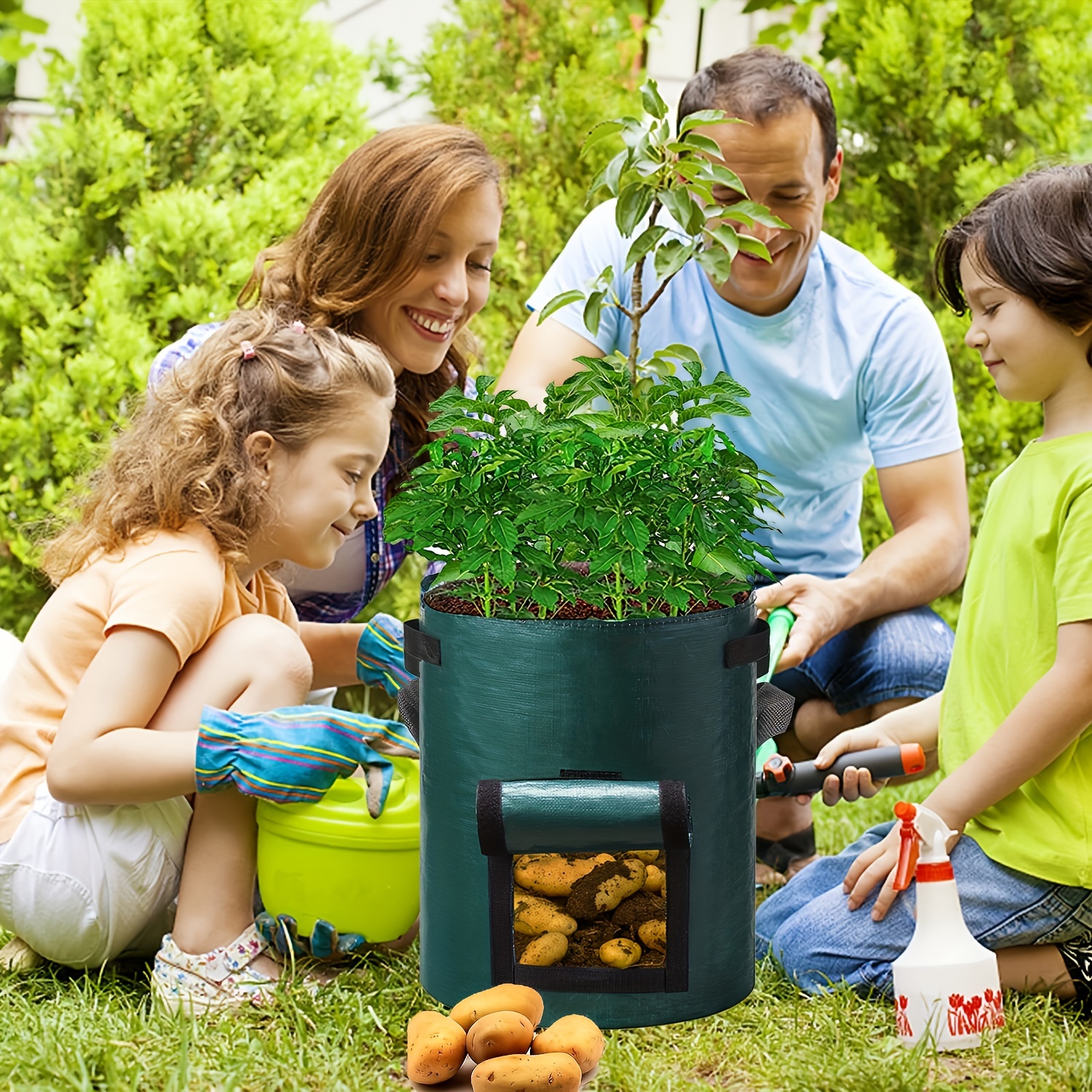
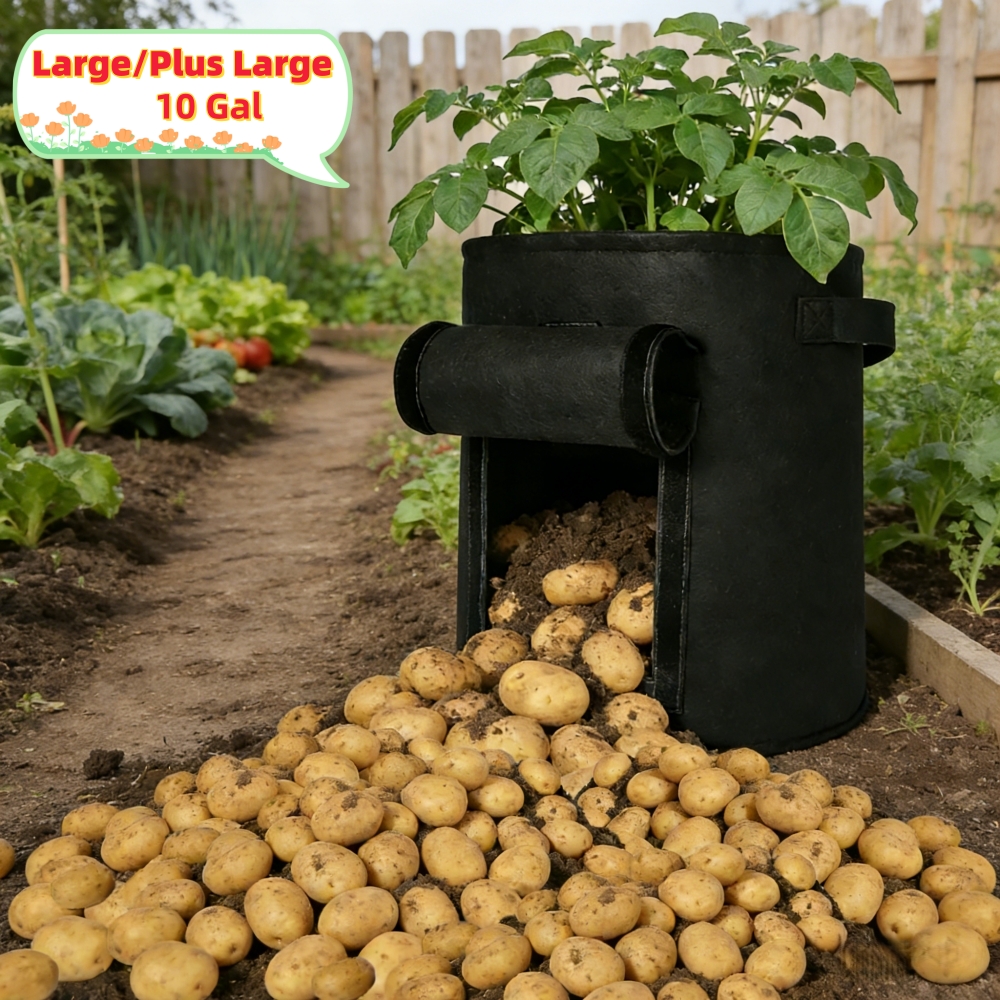
The gentlest harvest technique is to tip the container onto a tarp, old sheet, or balcony-safe tray and loosen the soil by hand. A fork can bruise or spear the potatoes, so fingers are better tools for this final treasure hunt. Children, neighbors, or even skeptical roommates often become suddenly interested at this stage, because the invisible crop turns into something real and edible within minutes. The used soil should not be reused immediately for another potato crop, as pests or disease traces can remain; it can be refreshed for non-related balcony plants if healthy.
The practical benefits reach beyond dinner. Container-grown potatoes reduce packaging, shorten the distance between harvest and plate, and help transform food scraps into value when compost is part of the system. They also build confidence: after one successful bag, basil, lettuce, tomatoes, or strawberries feel less intimidating. The wider value of compact food growing is reflected in the benefits of balcony and rooftop gardens, where even small harvests reshape how people relate to fresh food.
A balcony potato crop will not replace a farm, and it does not need to. Its strength is more personal and immediate: a modest container can turn unused urban space into fresh food, lower waste, and a small daily act of independence.


