

Between concrete walls, balcony rails, rooftops, and pocket courtyards, an urban garden can become far more than a decorative pause in the city. It can act as a living relay station for insects, birds, and flowering species that struggle to find room in dense neighborhoods. This is where biodiversity stops being an abstract environmental term and starts looking like thyme in bloom, a pot of lavender vibrating with wings, or tomatoes setting fruit because a bee found its way to a sixth-floor terrace. In cities where green spaces are fragmented, even modest planting choices shape the local ecosystem in visible ways.
Among the most effective choices are melliferous plants, species rich in nectar and pollen that attract pollinators such as bees, hoverflies, butterflies, and bumblebees. Their presence changes the rhythm of a garden: flowers last longer, fruiting improves, and the space gains movement, sound, and seasonal depth. A planter box can suddenly serve as feeding ground, shelter, and stepping stone between larger green areas. That is the quiet power of habitat creation in the city. By combining beauty, resilience, and ecological value, these plants offer a practical path toward sustainability, while lowering water use, reducing chemical dependence, and softening the overall environmental impact of everyday gardening.
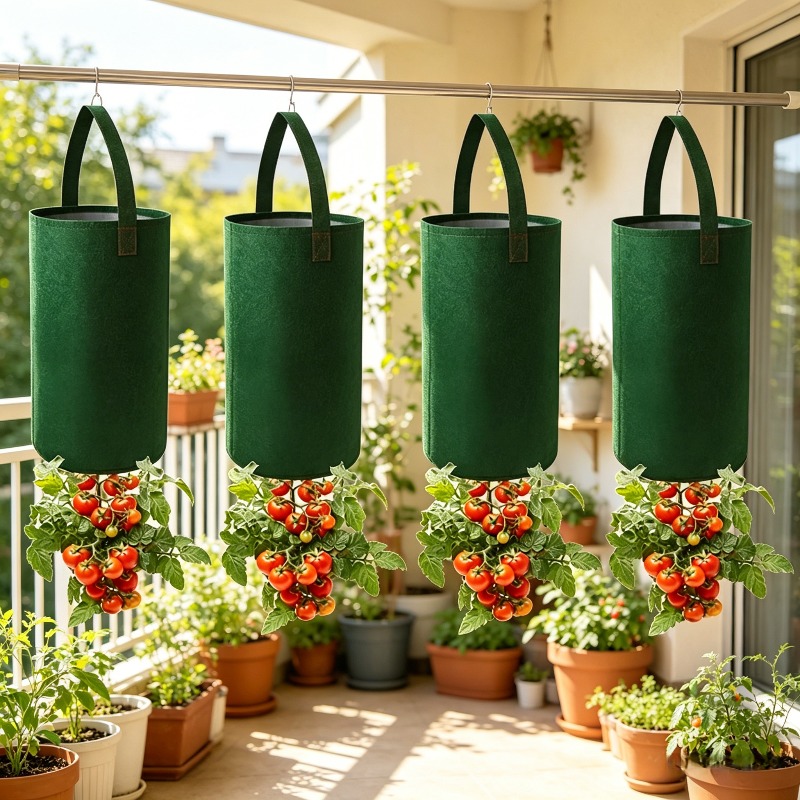

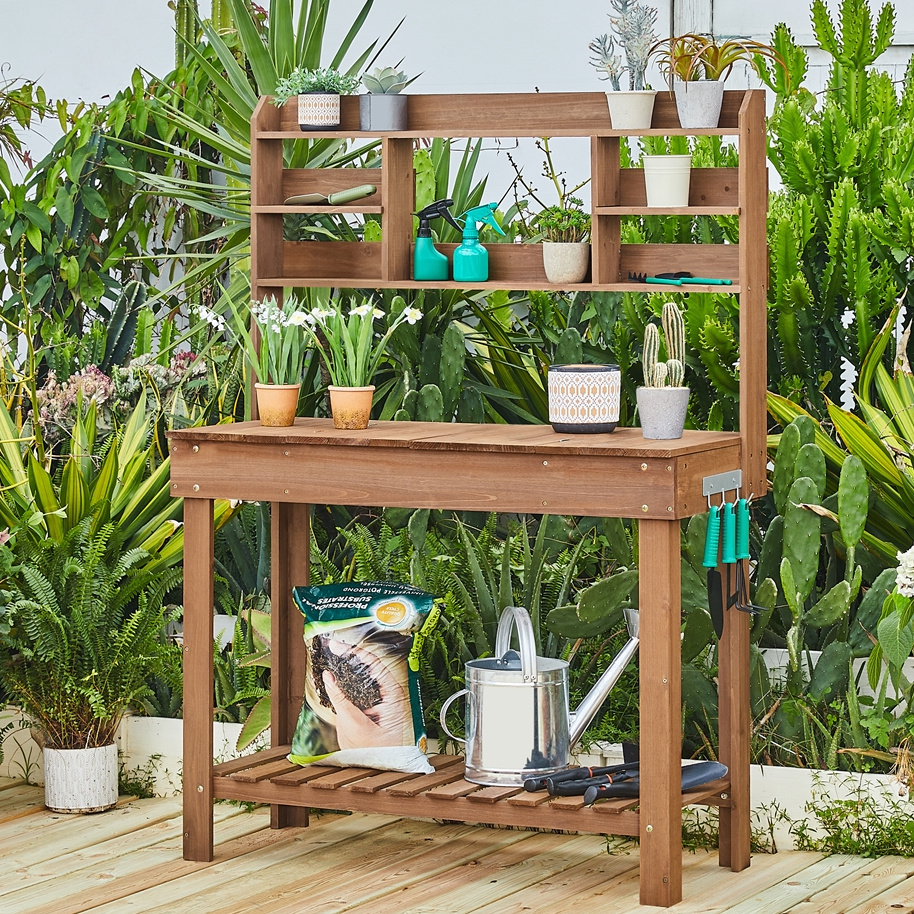
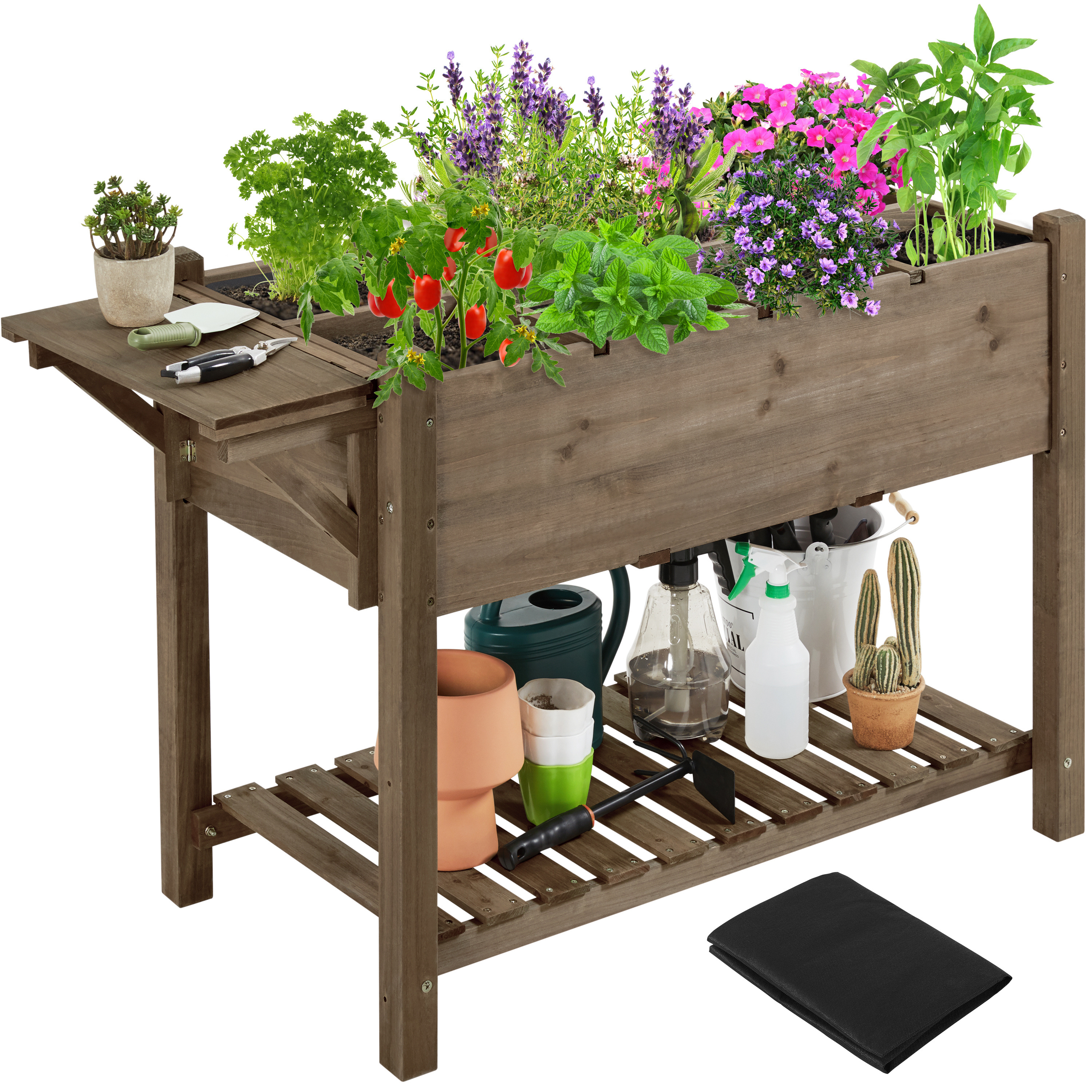
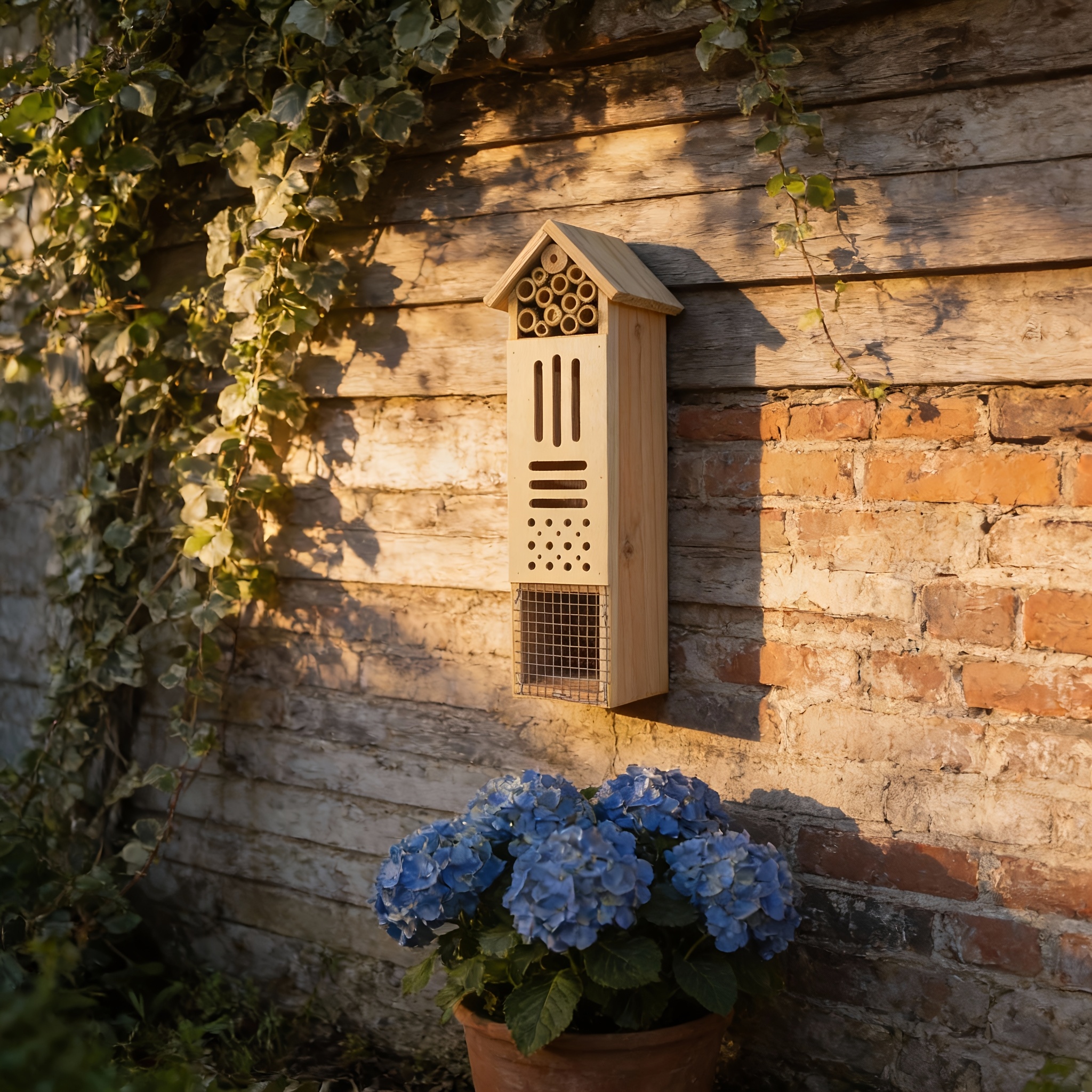
Urban garden biodiversity and melliferous plants: why city nature needs them
Biodiversity simply means the variety of living things sharing the same environment: plants, insects, birds, fungi, and the countless relationships linking them together. In a rural meadow, that richness may seem natural. In a city, it becomes precious. Pavement, heat, pollution, and fragmented green spaces often limit food sources and nesting sites, so every flowering corner matters more than it first appears.
This is why melliferous plants deserve attention. These are species that produce nectar and pollen in quantities that attract foraging insects. A flowering sage, a clump of wild bergamot, a pot of marjoram, or a shrub covered in spring blossoms can become a magnet for pollinators. The word may sound specialized, yet the effect is easy to see: more visits from bees, more fluttering wings, and a garden that suddenly feels inhabited rather than merely arranged.
In urban settings, these plants do more than feed insects. They help rebuild a functioning ecosystem on a small scale. When pollinating species find reliable food, they remain active in the area and support the reproduction of flowering plants nearby, including vegetables and fruiting crops. A balcony with basil flowers and calendula can support life beyond its own boundaries, acting like a bridge between street trees, parks, and neighboring terraces.
Native plants often strengthen this effect because they evolved with local insects and weather patterns. In many regions, they need less irrigation, fewer inputs, and less intervention than ornamental exotics. They are also less likely to become invasive, a major issue in city landscapes where fast-growing non-native vines can smother local vegetation. Replacing aggressive species such as English ivy in sensitive spaces with regionally appropriate flowering alternatives can restore ecological balance without sacrificing beauty.
There is also a sensory reward. A biologically rich city garden never feels static. It hums, shifts, and responds to the season. One Philadelphia community plot illustrated this vividly when gardeners introduced asters, goldenrods, and other nectar-rich species; over time, butterfly and bird activity increased noticeably, while water use dropped compared with conventional planting. The lesson is simple: the smallest patch of bloom can become a meaningful urban refuge, and that is where transformation begins.
The beauty of this approach is that it does not ask for a countryside estate. It asks for intention, which leads naturally to the practical mechanics of pollination and the daily benefits a lively growing space can deliver.
How melliferous plants improve pollination, harvests, and the local ecosystem
Pollination is one of those invisible processes that only becomes noticeable when it is missing. Flowers bloom, yet fruits fail to form well; strawberries stay misshapen, zucchini flowers fall, herbs bolt without feeding much wildlife. Pollinators solve this by moving pollen from one flower to another, allowing many plants to reproduce. In an urban garden, that service is as essential as watering or sunlight.
Melliferous plants encourage that service by keeping nectar and pollen available across the seasons. A clever city planting does not rely on a single dramatic flush in June. It layers early blossoms, summer flowers, and late-season resources so insects can feed for months. Rosemary or flowering currant may support early activity, lavender and coneflower can sustain summer traffic, and asters may extend the buffet into autumn. This continuity matters because a hungry bee does not live by isolated beauty spots.
The effect reaches edible crops quickly. Tomatoes, beans, peppers, cucumbers, squash, berries, and many fruit trees all benefit directly or indirectly from insect visits. Even where some vegetables are self-fertile, better pollination often improves yield and shape. A terrace once planted only for visual effect can become surprisingly productive once insect-friendly flowers are woven between pots of vegetables. That combination also makes the garden more balanced, reducing the sterile feel of overly controlled city planting.
The gains are broader than harvests. A dense mix of flowering species, aromatic herbs, and small shrubs improves habitat creation by offering food, resting places, and microclimates. Leaves shade the soil, roots improve structure, and taller stems slow wind on exposed balconies. Some native plants even help reduce runoff because their roots encourage water absorption. Others contribute to cleaner air and carbon capture, modestly but meaningfully reducing the environmental impact of urban hardscapes.
There is also a quiet emotional shift. A city gardener caring for a planter of thyme, salvia, and black-eyed Susan often notices the space becoming more generous, less decorative and more alive. A child spots a bumblebee dusted with pollen; a neighbor pauses to ask why butterflies suddenly gather there. These are small scenes, yet they reveal a larger truth about sustainability: ecological repair often starts with ordinary places. When flowering plants feed insects and insects support food, air quality, and resilience, the whole garden becomes a working piece of urban nature rather than a sealed private corner.
Once the role of flowers in city ecology becomes visible, choosing the right species stops feeling like guesswork and starts becoming a creative design decision.
Choosing native plants and melliferous species for a small urban garden with sustainability in mind
Good planting begins with observation. Is the space exposed to blazing afternoon sun, or shaded by neighboring buildings? Does the wind whip across a rooftop? Does the soil in containers dry out fast? These details shape success more than fashion ever will. The best melliferous plants for one balcony may fail on another simply because exposure, drainage, and heat reflection differ from one street to the next.
For sunny sites, lavender, thyme, echinacea, California poppy, and black-eyed Susan often perform well while offering nectar-rich blooms. In mixed sun and light shade, varieties such as wild bergamot or certain salvias can bridge ornamental appeal and ecological value. Aromatic herbs deserve special praise because they are compact, useful in the kitchen, and beloved by insects once allowed to flower. A single window box of oregano, chives, and basil in bloom can support bees while remaining easy to maintain.
Wherever possible, selecting native plants adds another layer of intelligence. Locally adapted species are generally better suited to regional rainfall, temperature swings, and local insect life. They often need less water once established, which supports sustainability in practical terms rather than as a slogan. In 2026, with recurring heat stress in many cities, drought-tolerant and regionally appropriate choices are not just convenient; they are a realistic response to urban climate pressure.
Care methods matter as much as plant choice. Avoiding pesticides is essential because chemicals meant for pests rarely spare helpful insects. Compost enriches soil naturally, seed saving preserves strong local performers, and companion planting can reduce pressure from aphids and other nuisances without damaging the wider ecosystem. Even removing invasive species from pots, fences, or shared courtyards can significantly improve the conditions for desirable flora and visiting wildlife.
Small spaces should never be underestimated. A balcony, a stair-step of containers, or a narrow ledge can still contribute to biodiversity. The secret lies in layering forms: one flowering shrub if space allows, a few long-blooming perennials, and edible herbs left to flower. This creates a miniature corridor of life in the middle of the city. What begins as decoration becomes nourishment, movement, and resilience. In the end, the most successful urban garden is rarely the most complicated one; it is the one that welcomes life and lets that welcome shape the place.
That welcoming spirit is easier to sustain when gardeners can see methods in action, from balcony layouts to pollinator-friendly planting combinations adapted to compact spaces.
Pollinator-friendly planting ideas for balconies, rooftops, and compact courtyards
A useful planting rhythm in tight spaces is to combine one structural plant, one long-blooming flower, and one edible herb that is allowed to blossom. This formula keeps the display coherent while supporting pollinators through changing weather. For example, a compact shrub paired with salvia and flowering oregano creates visual height, nectar access, and culinary value in a very limited footprint.
Containers should be deep enough to reduce heat stress and lined up according to water needs. Grouping thirsty pots together prevents waste, while drought-tolerant species can be placed in hotter corners. This simple organization lowers maintenance and reduces the environmental impact of watering routines. It also makes a garden feel intentional rather than cluttered, which is often the difference between a neglected balcony and one that becomes part of a daily ritual.
Seasonal succession keeps the scene lively. A spring-flowering plant draws early insects, summer blooms maintain traffic, and late asters or similar flowers provide one last resource before colder weather. That continuity turns a decorative setup into functioning habitat creation. In dense neighborhoods, where green interruptions are scattered, such continuity can mean survival for local insects moving from one feeding stop to the next.


