

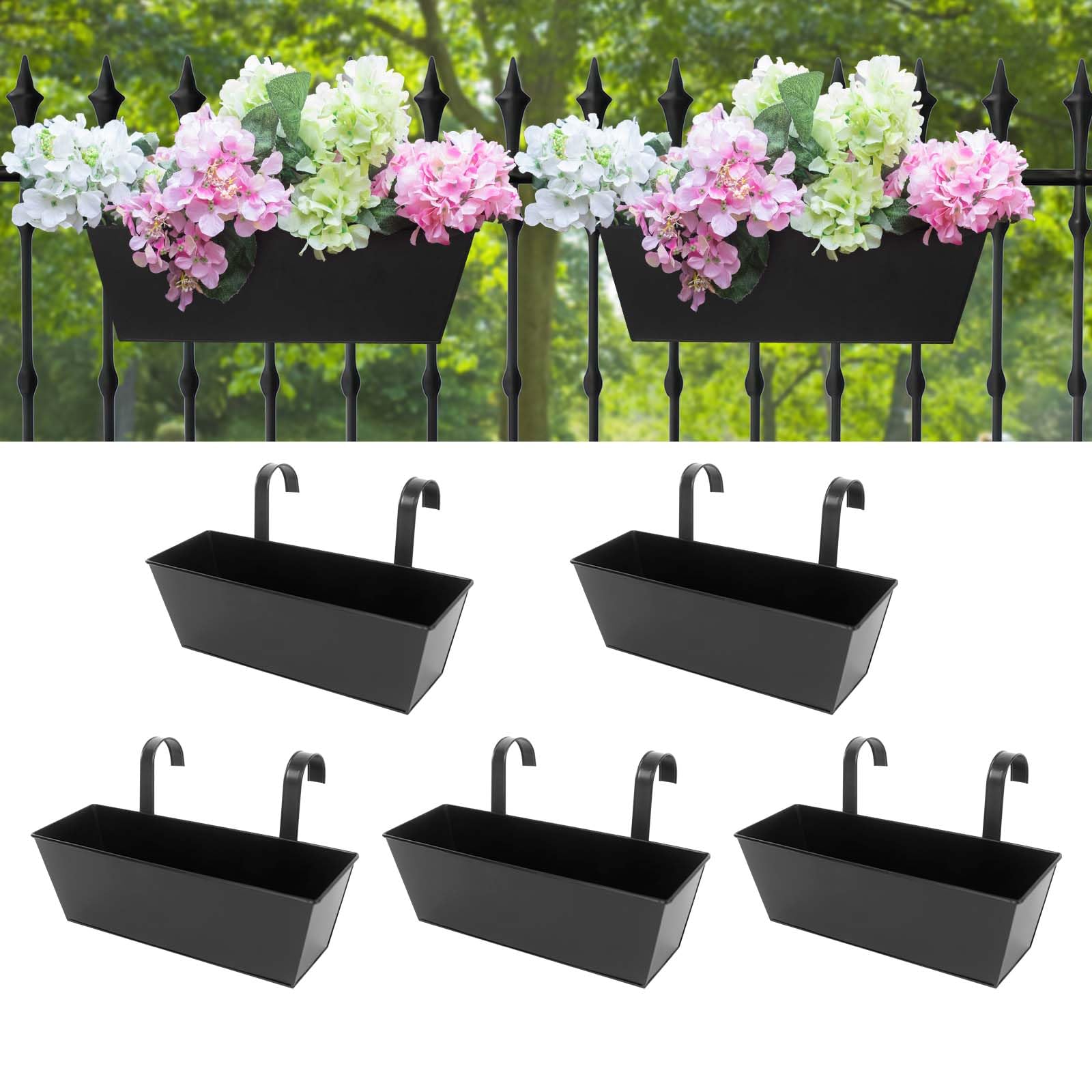
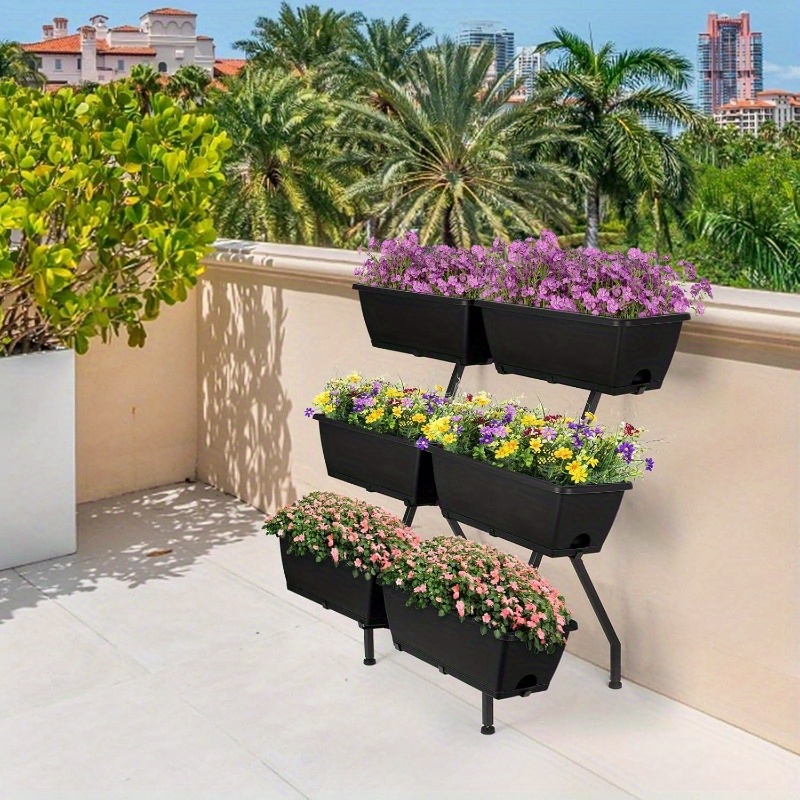
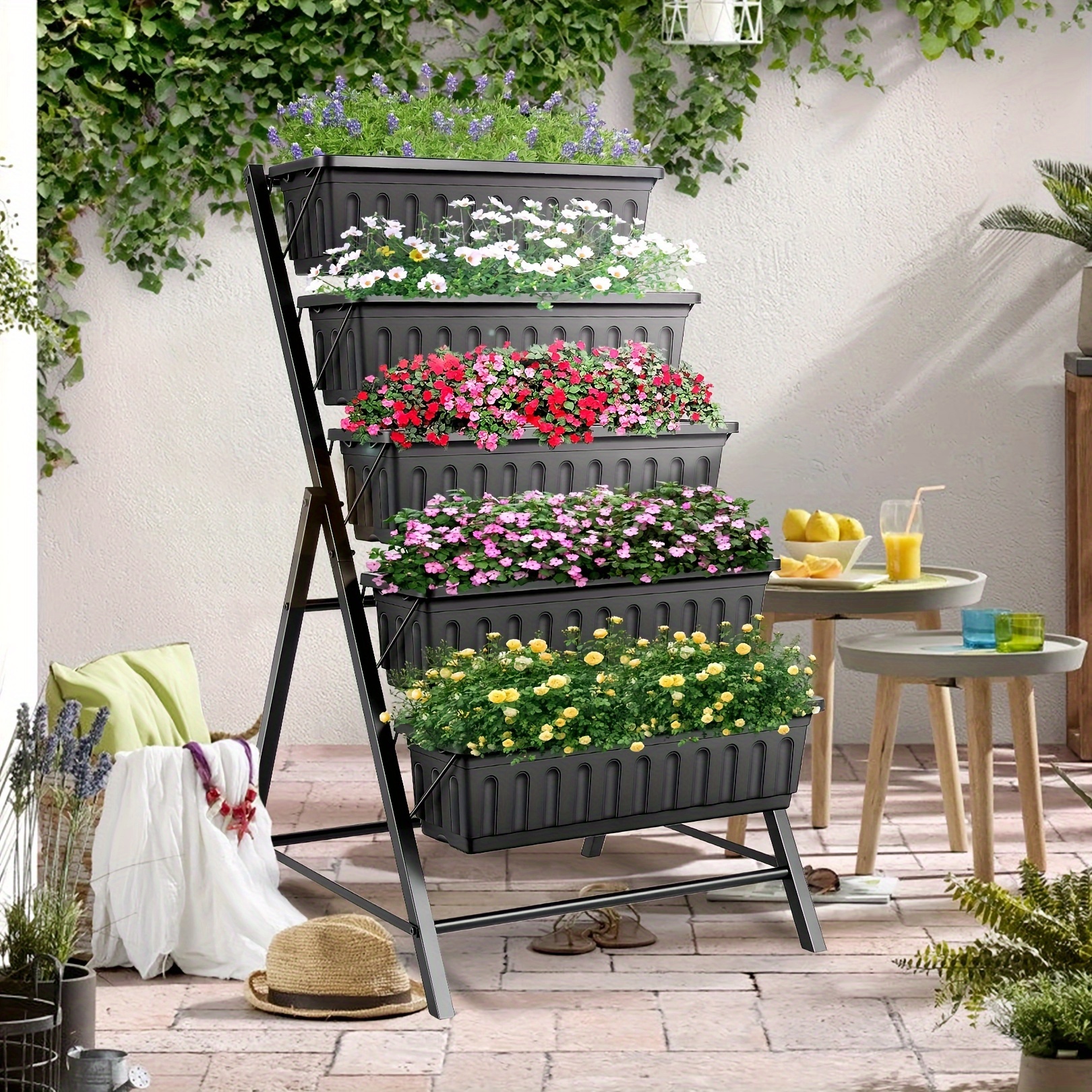
A jardinière can turn a balcony rail, a narrow windowsill, or a compact patio into a living composition full of color, scent, and texture. In everyday gardening, the word refers to a long planter or decorative container designed to hold several plants together. It may be made of terracotta, wood, zinc, resin, ceramic, or recycled plastic, and it can be rectangular, oval, trough-shaped, or softly curved like a small garden stage. Unlike a single pot, it invites plant arrangement: trailing flowers at the edge, upright herbs in the center, and compact foliage to fill the gaps.
The name has a charming garden heritage. It also resembles “giardiniera,” the Italian pickled vegetable mix made with cauliflower, celery, carrots, peppers, vinegar, oregano, and olive oil. Both ideas share the same spirit: taking fresh garden elements and arranging them with care. In a planter, however, the recipe is built with roots, drainage, light, and patience. With the right gardening steps, even a beginner can create a display that looks polished, balanced, and easy to maintain.



How to Prepare a Jardinière Like a Pro: Choose the Right Place, Plants, and Style
The first professional habit is to observe before touching the soil. A jardinière succeeds when its location matches the needs of the plants. A sunny balcony that receives six hours of light can welcome lavender, thyme, geraniums, petunias, strawberries, or small peppers. A shaded windowsill is better for ferns, begonias, mint, parsley, heuchera, or impatiens. Light is not just brightness; it is fuel. Without enough of it, stems stretch, leaves pale, and flowers become rare.
Ventilation matters too. A planter squeezed into a stagnant corner often stays damp for too long, which encourages fungal issues. A breezy position helps foliage dry after rain or watering, but strong wind can exhaust tender plants. Maya, a fictional urban gardener with a fourth-floor balcony, solved this by placing aromatic herbs behind a low wooden screen. The basil stopped wilting, and the thyme enjoyed the warmth without being whipped by gusts. That small adjustment looked simple, yet it created a more stable microclimate.
Professional gardening starts with climate and season awareness
Garden preparation should always respect the season. Spring is ideal for annual flowers, lettuce, herbs, and young perennials. Summer works for heat lovers such as calibrachoa, rosemary, ornamental grasses, and cherry tomatoes in deeper containers. Autumn can host pansies, violas, chard, dwarf kale, and heathers. In colder regions, frost-resistant plants are safer; in hot climates, drought-tolerant varieties save water and reduce stress.
The container itself also guides the choice. Terracotta breathes well but dries quickly. Wood insulates roots and brings a warm urban-garden look. Metal looks elegant but can heat up under direct sun. Resin is light and practical for balconies where weight matters. A deep model suits roots that need room, while a shallow one is best for succulents or seasonal displays. The smartest planting tips begin with one question: will this plant still fit beautifully in six weeks?
A balanced design usually combines three roles: a vertical plant for height, a rounded plant for fullness, and a trailing plant to soften the edges. This is not a strict rule, but it gives instant rhythm. A lavender, two compact verbena plants, and a silver dichondra can look like a tiny Mediterranean border. A parsley, chive, and nasturtium mix becomes edible, bright, and useful. The best jardinière is not crowded on day one; it is planned for the growth that comes next.
Soil Preparation and Gardening Tools for a Healthy Jardinière
Once the location and plants are chosen, the next step is the support. A reused jardinière should be cleaned before planting, especially if it previously hosted sick or exhausted plants. Warm water, a stiff brush, and a mild soap remove old soil, algae, and mineral marks. If disease was present, a careful disinfection with an appropriate garden-safe solution helps prevent problems from returning. Clean containers give roots a fresh start, much like clean jars are essential when preserving vegetables in brine.
Drainage is the quiet hero of simple gardening. Every planter must have holes at the bottom. If water cannot escape, roots suffocate, leaves yellow, and the whole composition collapses even when the gardener thinks the plants are thirsty. Before adding soil, the holes should be checked and cleared. In a container with large openings, a small piece of broken terracotta or mesh can stop compost from washing out while still allowing water to pass.
Preparing drainage without creating a soggy trap
A thin layer of clay pebbles or gravel can help water move away from the root zone, especially in deep containers. It should not become a thick false bottom that steals root space. The key is moderation. A light layer, followed by quality potting mix, offers enough support without turning the planter into a heavy box. For balconies, weight should always be considered; wet soil is much heavier than dry compost.
The right soil depends on the plants. Mediterranean herbs prefer a light, well-drained mix, sometimes improved with sand or fine grit. Flowering annuals enjoy a richer potting soil that holds moisture without becoming compact. Leafy vegetables appreciate compost because they need steady nutrition. Succulents require a mineral, airy blend. This is where soil preparation becomes a real skill rather than a routine gesture.
Before filling the container, the potting mix should be loosened by hand or with a small trowel. Compressed bags often hide dense clumps. Breaking them apart creates air pockets, and roots love oxygen as much as water. A little mature compost or natural fertilizer can be mixed in for hungry plants, but too much feeding at the start may push weak, floppy growth. Professional results come from balance, not excess.
How to place soil without compacting the roots
Fill the planter gradually. Add soil in layers, then tap the sides gently so the mix settles. Press lightly with the fingertips, never with force. The goal is contact, not compression. Overpacked compost behaves like a brick: water runs along the sides, roots struggle to explore, and plants remain thirsty inside a wet-looking container.
Useful gardening tools include a hand trowel, pruning snips, gloves, a watering can with a fine rose, and a small scoop for narrow planters. Nothing needs to be complicated. A professional-looking jardinière often comes from calm preparation, clean tools, and soil that feels crumbly, alive, and ready to welcome roots.
After the support is ready, the creative part begins. The next stage is not simply placing plants in a row; it is composing a miniature landscape that can grow without fighting for space.
Plant Arrangement and Step-by-Step Planting Tips for a Polished Jardinière
A strong plant arrangement begins before any root ball enters the soil. Place the nursery pots on top of the filled planter and test different positions. Tall plants usually sit toward the back if the jardinière is against a wall, or in the center if it will be seen from all sides. Trailing plants belong near the edges, where they can spill naturally. Compact fillers bridge the spaces and keep the design generous without becoming chaotic.
Spacing is one of the most common beginner mistakes. Plants sold in small pots look innocent, but many double or triple in volume. If they are packed too tightly, air circulation drops and mildew appears. Roots compete for water, and the strongest plant dominates the weaker ones. For herbs, leave enough room to pinch and harvest. For flowering annuals, allow space for branching. For vegetables, respect their adult size, especially with dwarf tomatoes, peppers, or leafy greens.
Depth, root handling, and the rhythm of planting
Each plant should sit at the same depth it had in its nursery pot. Burying the crown too deeply can cause rot, while planting too high exposes roots to drying air. Before planting, the root ball can be loosened gently if roots are circling tightly. This encourages them to move outward into the fresh mix. The gesture should be delicate; roots are living threads, not packing material.
Make a hole slightly wider than the root ball, place the plant, then bring soil around it. Firm the mix with soft pressure so the plant stands upright. If the container is long, work from the center outward to avoid disturbing plants already placed. In Maya’s balcony project, three strawberry plants were alternated with alyssum. The strawberries received enough room to fruit, while the alyssum attracted pollinators and softened the edges. The result looked decorative and productive at the same time.
After planting, watering should be slow and measured. A fine rose on the watering can prevents soil from splashing and exposing roots. Water until moisture begins to escape from the drainage holes, then stop. This first watering settles the soil around roots. After that, the schedule depends on the plants, weather, and container material. Terracotta in summer may need frequent attention, while a shaded resin planter may stay moist for longer.
Professional gardening does not mean watering every day. It means checking before acting. A finger pushed two centimeters into the soil tells a better story than the surface. If it feels cool and damp, wait. If it feels dry, water carefully. Plants with silver, thick, or aromatic leaves often need less water. Leafy greens and flowering annuals usually ask for more regular moisture.
Garden Care After Planting: Watering, Feeding, Pruning, and Problem Prevention
A planted jardinière is not finished; it is now alive and changing. The first week is about observation. Leaves may droop slightly after transplanting, especially in warm weather. This does not always mean disaster. Shade during the hottest hours, moderate watering, and a little patience often help the plants settle. The real danger is panic watering, which can drown roots before they have recovered.
Regular garden care follows a gentle rhythm. Remove faded flowers to encourage new blooms. Pinch basil, mint, and coleus to keep them bushy. Trim trailing plants when they become too long or hide their neighbors. Pruning is not punishment; it redirects energy and keeps the design clear. A planter that is lightly maintained every few days looks far better than one rescued once a month.
Feeding a jardinière without overwhelming it
Because roots live in a limited volume of soil, nutrients run out faster than in open ground. Flowering plants may appreciate a natural liquid fertilizer every two or three weeks during active growth. Herbs usually need less, especially Mediterranean types such as rosemary, oregano, and thyme. Too much fertilizer can reduce flavor and make stems soft. Compost tea, worm castings, or a mild organic feed can support growth without forcing it.
Problems often reveal themselves through small signals. Yellow leaves near the base may suggest excess water, poor drainage, or old foliage naturally fading. Sticky leaves can point to aphids. Fine webbing may indicate spider mites, especially in hot, dry conditions. White powder on leaves suggests mildew. Acting early is easier than repairing a collapsed display. A strong spray of water, improved spacing, removal of affected leaves, or insecticidal soap can solve many issues before they spread.
Excess moisture remains the classic enemy. If the planter smells sour, if fungus gnats hover, or if the soil stays wet for days, watering should be reduced and drainage checked. A jardinière should never sit permanently in a saucer full of water unless the plants specifically enjoy boggy conditions. Most decorative and edible combinations prefer moisture followed by air.
Once the technique feels natural, creativity can take over. A “pizza” planter with basil, oregano, thyme, and a compact tomato brings flavor close to the kitchen. A pollinator jardinière with lavender, verbena, calendula, and trailing nasturtium feeds bees while brightening a railing. A cool-season display with pansies, parsley, dwarf kale, and violas keeps color alive when summer flowers fade.
For a playful nod to the Italian giardiniera tradition, a vegetable-themed container can combine dwarf peppers, celery leaf, parsley, and edible flowers, echoing the colors of pickled carrots, cauliflower, and bell peppers without turning the planter into a pantry jar. The charm lies in the same principle: fresh ingredients, thoughtful balance, and a little patience. With steady attention and clear gardening steps, a jardinière becomes more than a container; it becomes a compact, living garden with professional poise.


